Sparks Warned of Hidden Risks With Cross-Pavement EV Charging
Featured
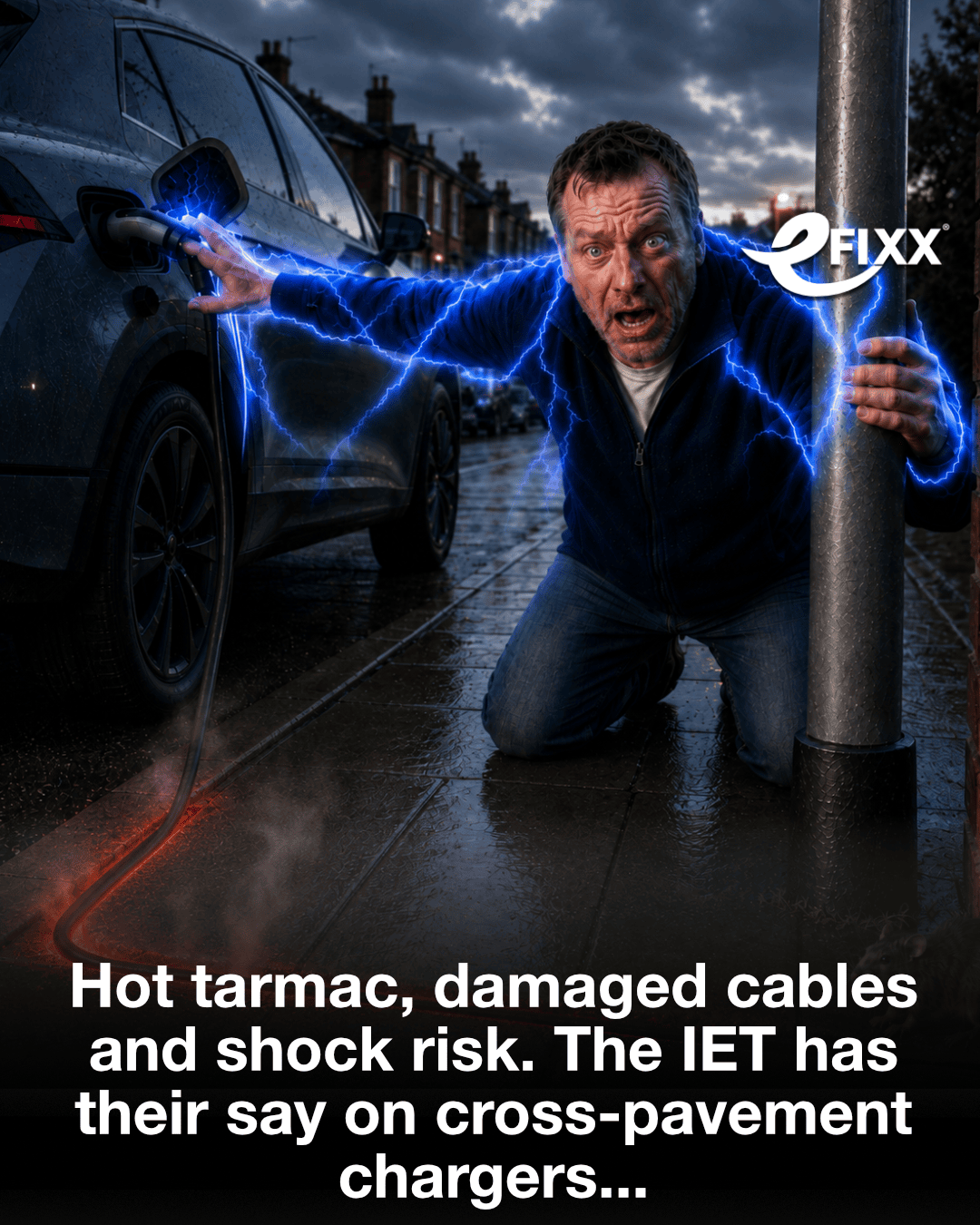
Cross-pavement EV charging could make home charging possible for more drivers without off-street parking, but the IET says installers need to consider far more than the cable channel itself. Earthing, heat, voltage drop, permissions and ongoing cable condition can all affect the safety and suitability of the installation.

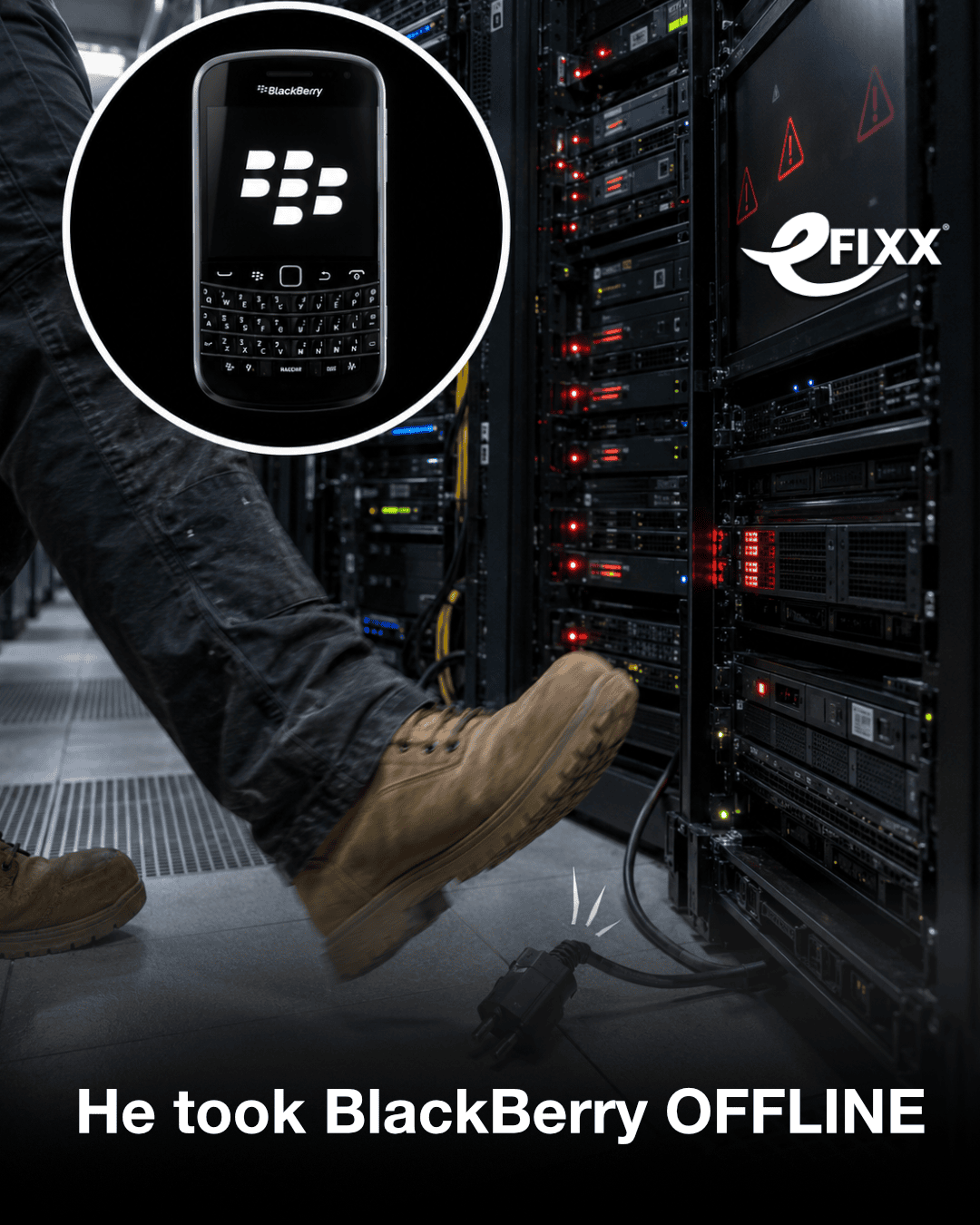
A Reddit thread asking electricians to share their worst day on the tools has produced some wild confessions, including one installer who says he knocked BlackBerry services across Canada offline and another who tripped a 4000A main, cutting power to five businesses. Read the full thread here.
THANKS TO OUR PREMIUM PARTNERS
THANKS TO OUR PREMIUM PARTNERS

Cable giant Prysmian is buying conduit and trunking specialist Atkore for £2.8 billion in one of the electrical industry’s biggest deals in years. The combined business will be strongly positioned for growing data centre demand. Read the full announcement here.

Sync Energy is giving one lucky installer the chance to win a complete Energy Management System worth more than £7,000. The prize includes a hybrid inverter, battery storage, an EV charger, solar diverter and circuit protection. Entries are open until the end of August.

EnviroVent has launched a new MVHR kit for homes with up to three bedrooms and 130m² of floor space. The package includes the heat recovery unit, ducting, filters and installation fixings, with the system recovering up to 95% of warmth from outgoing air. Find out more here.
Bonus Stories
World Class Defender

Contactum is making surge protection easier to fit with the launch of its new Type 2 Compact Surge Protection Device range.
Designed for use with Defender 2.0 consumer units and Defender B Boards, the new Compact SPD range gives installers strong protection against transient overvoltages in a smaller, more practical format.
Space inside consumer units and distribution boards is becoming more valuable than ever. Modern installations often need to allow for extra circuits, smart technology, EV charging, solar PV, battery storage, and other connected equipment. That can make board layout a real challenge, especially when every module counts.
Contactum’s new compact design helps tackle that problem. By reducing the space needed for surge protection, installers get more room to work with while still delivering the level of protection expected from a full Type 2 SPD.
For domestic jobs, the range is ideal where consumer unit space is tight. In commercial and industrial settings, it supports cleaner, more efficient board layouts while helping maintain compliant protection across more complex systems.
The Defender 2.0 Compact SPD has also been designed in line with updated industry guidance, including BEAMA recommendations and manufacturers’ instructions. Under certain conditions, this allows an SPD to be installed without a dedicated MCB, with protection provided through the DNO fuse instead.
Alan Broom, Technical Manager at Contactum, said: “The way electrical installations are designed is changing, with increasing pressure to maximise space without compromising safety. Our new Compact SPD range delivers trusted protection in a smaller format.”
As electrical systems become more crowded, Contactum’s Compact SPD range gives installers a practical way to protect modern installations while making better use of valuable board space.
Home With This Range?

Electric vans are no longer a distant idea for UK trades and small businesses. For many, they are already part of daily working life.
New research from Tempcover has found that 30% of van-reliant SMEs and sole traders are already using electric vans in their operations. The survey, which questioned 500 UK businesses that rely on vans for work, also found that interest is growing fast. Among those yet to make the switch, 58% are considering moving to electric within the next five years.
However, the research also shows that many businesses still have practical concerns to work through before they commit. The biggest barrier is range anxiety. Among businesses that have not yet switched, 39% said they were worried about how far an electric van can travel on a single charge. High upfront purchase costs were the next biggest concern, cited by 29% of respondents, while 28% pointed to a lack of suitable charging infrastructure.
Those concerns are understandable, especially for small firms where a van is often essential to earning a living. Any change to the vehicle setup needs to work reliably, day after day.
Even so, the shift towards electric vans is clearly underway. More than a quarter of businesses said they plan to switch within the next 12 months, while almost two-thirds expect upcoming policy changes and manufacturing trends to influence their future fleet choices.
There are still confidence gaps to close. More than half of businesses yet to switch said they do not feel electric vans are suited to their specific needs, and 70% have concerns about reliability for high-mileage or long-distance work.
Claire Wills-McKissick, temporary business van insurance expert at Tempcover, said the transition requires careful planning, particularly for smaller businesses where upgrading vehicles is a major investment.
As emissions rules tighten and more electric models become available, many van-reliant businesses are watching closely. The opportunity is clear, but the challenge now is building the confidence to make the move.