Commercial Solar Isn’t Just Residential Solar Scaled Up
By Gordon Routledge
Monday 19th January 2026
SHARE IT
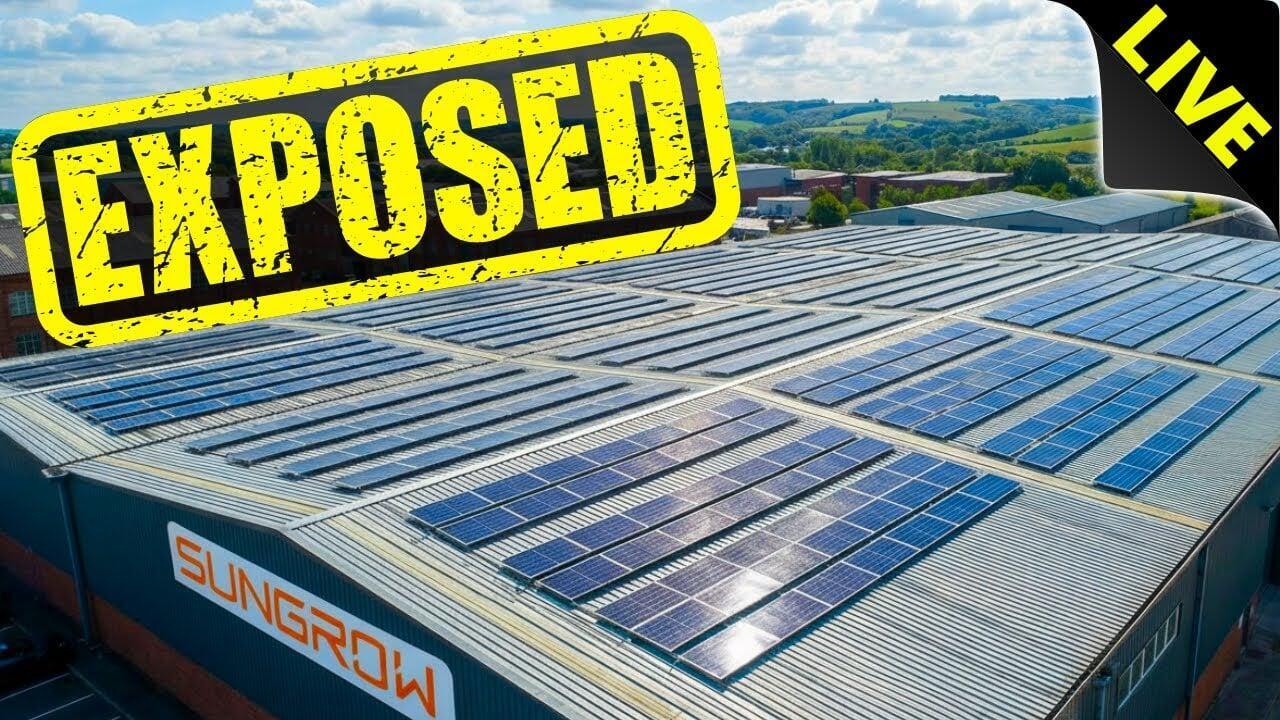
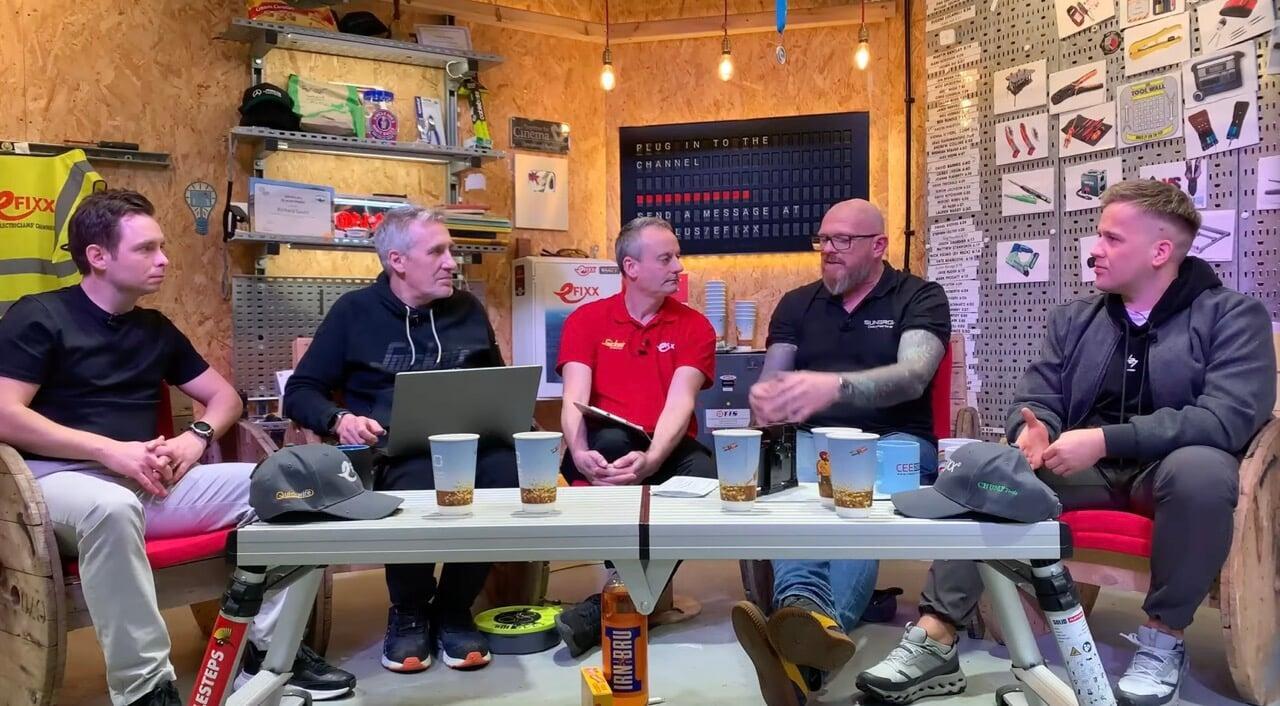
The latest eFIXX TV episode with Sungrow explored a reality that many installers discover only once they step into commercial and industrial (C&I) projects: commercial solar is not simply domestic PV scaled up. The technologies may look familiar, but the drivers, constraints and risks are fundamentally different.
Across the discussion, one theme kept resurfacing — specification matters far more in commercial environments. From insurance and grid constraints to inverter architecture and long-term verification, getting it wrong can mean delays, extra cost or underperforming assets.
This article pulls together the key lessons from the show and expands on why commercial solar demands a different mindset.
Commercial Solar Follows a Very Different Journey
The first reality check for anyone moving into C&I solar is that the project journey changes immediately. Decisions take longer, more stakeholders are involved, and far more information is required before an installation ever begins.
Paul Sheeran from Innosol summed this up early in the discussion:
“It seems like an obvious move from domestic into commercial solar, but there’s a lot more front-end work than people expect — and the sales cycle is much longer.”
Commercial projects often take months to progress because businesses are making significant capital investments. Proposals may need to pass through facilities teams, finance departments, insurers and board-level approval. That reality fundamentally reshapes how systems need to be designed, justified and delivered.
Design Risk Appears Long Before Installation
One of the clearest messages from the show was that most commercial solar problems are created early — not on the roof, but at the design stage.
Paul explained that his starting point is always the same:
“We always ask: why do you think you need solar or batteries? If you don’t understand that, you can design the wrong system very easily.”
Commercial sites rarely have smooth, predictable load profiles.
Demand is driven by processes, machinery, shift patterns and future expansion. Bills are influenced by maximum demand, capacity agreements and penalties, not just kilowatt-hours consumed. Without proper data and expectation management, systems can underperform financially or fail to solve the real problem the business was trying to address.
Commercial Batteries Are Often About Capacity, Not Just Savings
In domestic settings, batteries are typically sold around self-consumption and bill reduction. In C&I environments, the driver is often capacity.
Power consumption on commercial sites is complex. Sudden load changes, large motors, EV charging, electrification of heat and process equipment can push a site beyond what its existing grid connection can support. Upgrading a supply can involve long lead times, disruptive civils work and significant cost — sometimes enough to stall expansion altogether.
This is where batteries increasingly come into play. Rather than being used purely for arbitrage, they are deployed to manage peaks, smooth fast-changing loads and keep sites operating within agreed limits.
Ben Vineyard from Sungrow captured this shift clearly:
“In a lot of cases, it’s not even an ROI conversation. Without batteries, the site simply won’t work.”
There was also discussion around how thinking at network level is changing. Historically, DNOs treated behind-the-meter assets like batteries as just another load. That view is evolving. Batteries are increasingly recognised as flexible assets that can help manage constraints rather than worsen them, particularly when intelligently controlled.
In commercial solar, batteries are often what make growth possible.
The Backup Power Assumption That Keeps Catching People Out
Another recurring misconception discussed on the show was the assumption that installing a battery automatically provides backup power during an outage.
Ben was unequivocal:
“It’s absolutely not true unless the system is designed and wired for backup. Most systems will shut down during a power cut.”
Backup capability requires deliberate design decisions around isolation, load prioritisation and safety. Without that, a battery may offer operational or financial benefits — but it won’t keep a site running when the grid goes down.
Prefer the full conversation? Watch the complete eFIXX TV episode and hear the insights in context from start to finish.
Why Inverter Specification Defines Long-Term Performance
In commercial solar, the inverter does far more than convert DC to AC. It sets the ceiling for performance, resilience, verification and long-term operability. As systems scale and projects become more complex, inverter specification becomes a strategic decision rather than a box to tick.
Built-In DC Surge Protection Reduces Complexity & Cost
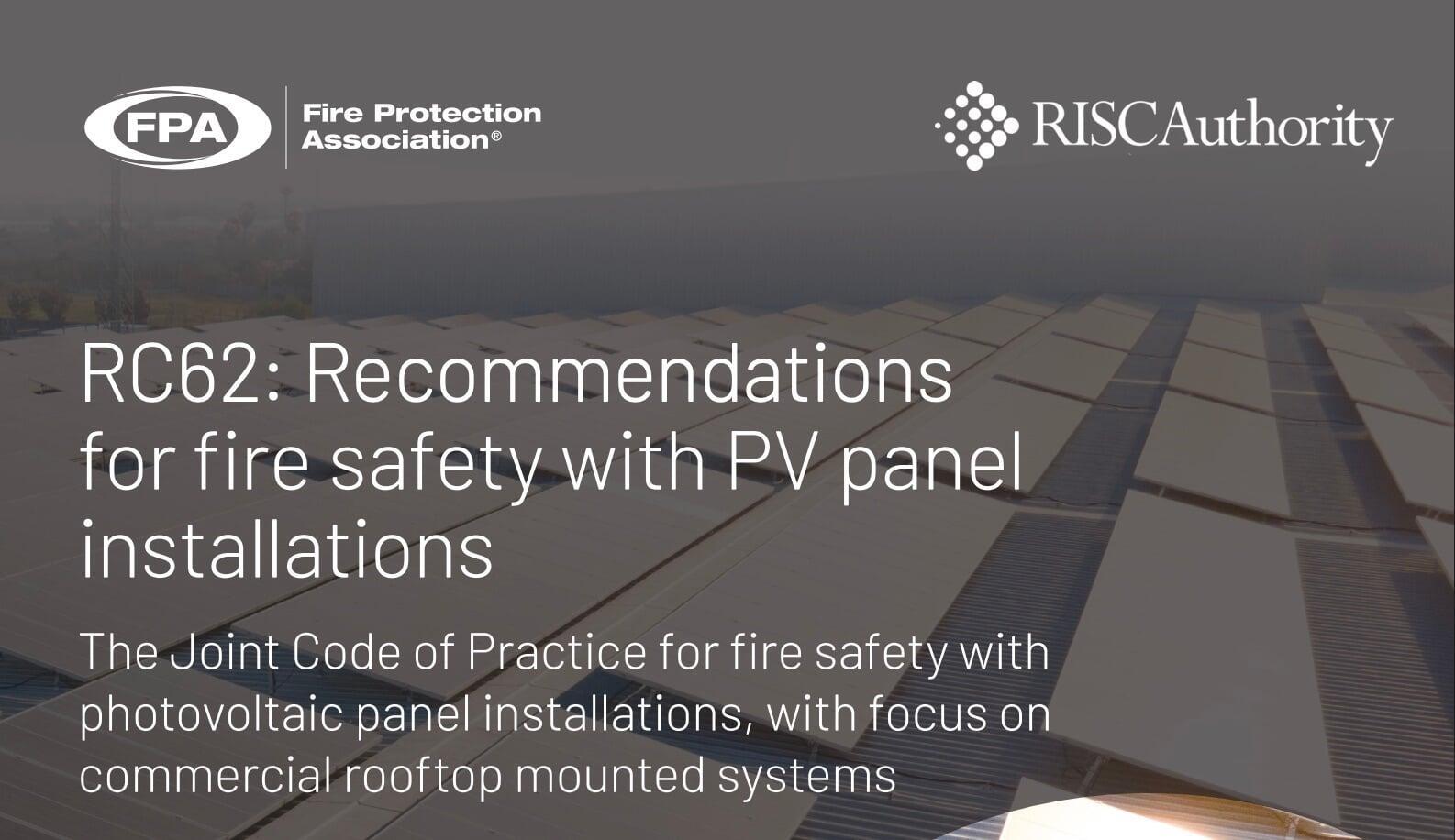
On large commercial rooftops — particularly where lightning protection systems are present or separation distances become an issue — DC surge protection is not a minor detail. If handled externally, it can add cost, additional enclosures and future maintenance points.
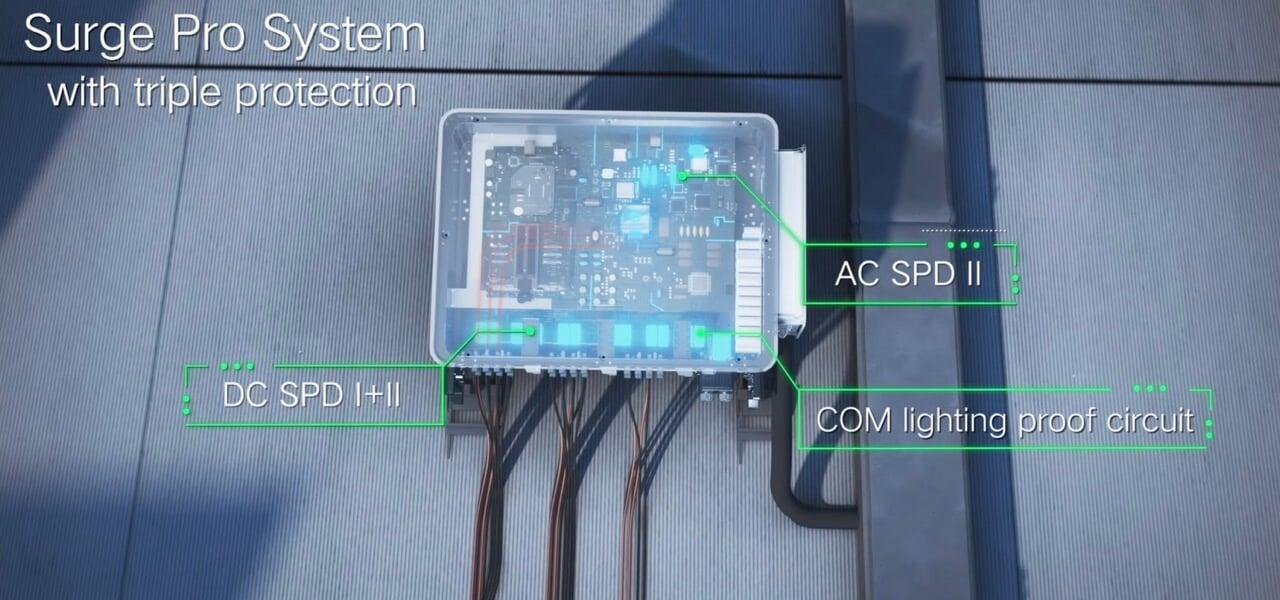
David Sanderson, UK Distribution Manager at Sungrow, explained that Sungrow includes Type 1 and Type 2 DC surge protection devices as standard in their commercial inverters. Integrating surge protection directly into the inverter simplifies compliance, reduces on-site hardware and lowers the risk of protection being inconsistently applied or value-engineered out late in the design process.
It can also make a meaningful difference to project cost. On sites where Type 1 DC SPDs would otherwise need to be installed in separate housings with additional wiring, isolators and labour, having the protection built in can remove a whole layer of extra parts and installation time. The practical outcome is often significant savings compared with specifying standalone devices — as well as fewer components to inspect, maintain or troubleshoot over the system’s lifetime.
Battery Capacity Transparency Avoids Commercial Surprises
Battery specification is another area where inverter choice has a direct impact on outcomes. Many batteries are sold on nameplate figures that don’t reflect how much energy can actually be used once minimum state-of-charge limits are applied.
Ben Vineyard from Sungrow highlighted Sungrow’s approach to capacity transparency:
“When we sell a 10 kWh battery, that’s 10 kWh usable. We oversize the battery so what we quote is what the customer can actually use.”
In commercial environments, where batteries are often deployed to manage peak demand or enable site expansion rather than simply reduce bills, that clarity removes ambiguity from both financial modelling and operational planning.
Corrosion Protection Reflects Real-World Environments
Commercial solar isn’t installed in controlled environments. Systems are deployed across farms, industrial estates, coastal buildings and chemical-heavy sites where corrosion risk is genuinely higher.
David highlighted Sungrow’s use of a C5 anti-corrosion rating, one of the highest commonly applied industrial classifications. C5 protection is designed for very aggressive environments, where salt air, pollution or chemicals can accelerate material degradation. In commercial systems, corrosion isn’t cosmetic — once enclosures or fixings degrade, reliability, safety and warranty all come into question.
This focus reflects Sungrow’s wider heritage as a manufacturer since 1997, with decades of experience deploying inverter technology globally in demanding operating conditions.
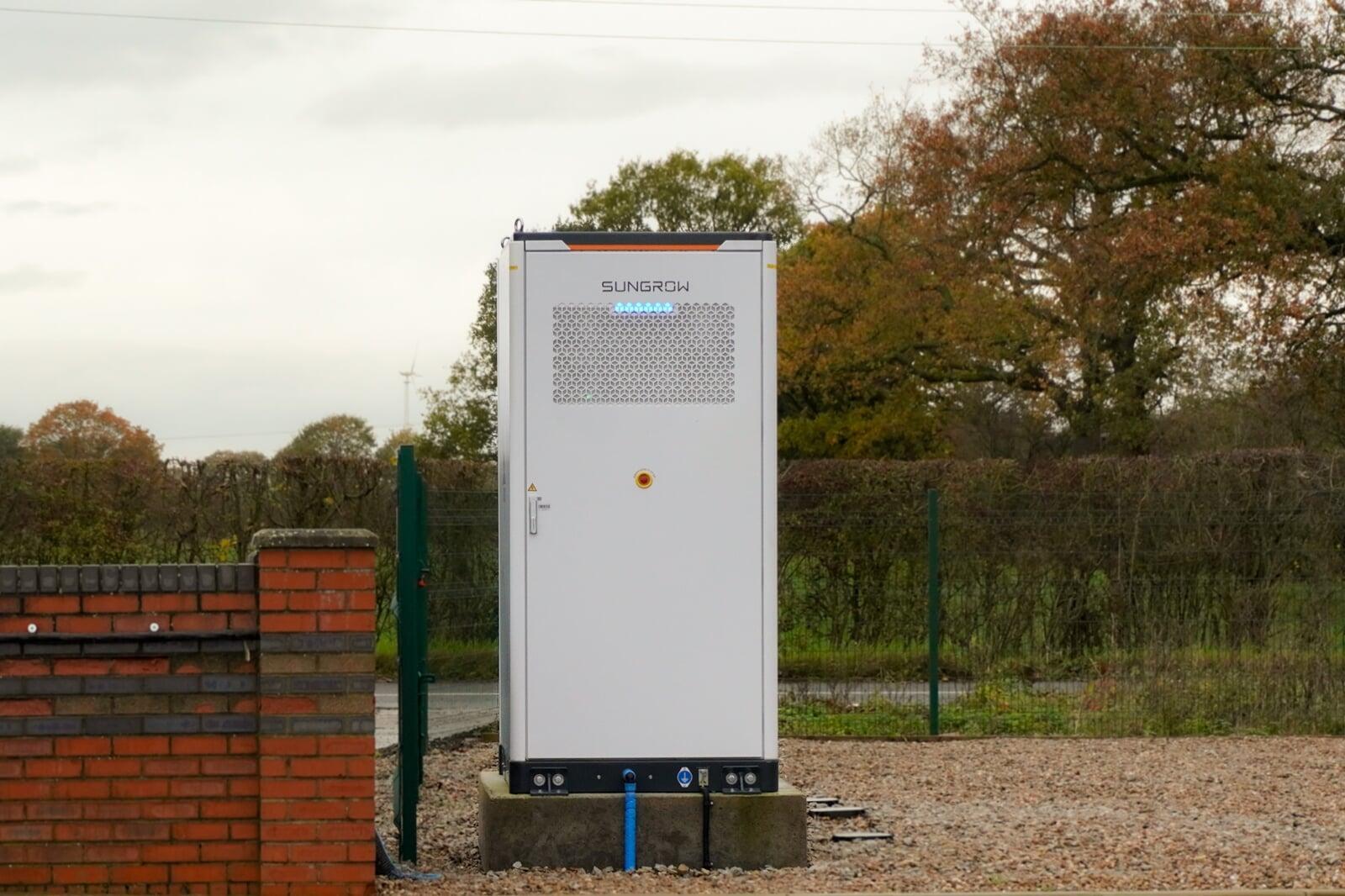
IV Curve Tracing Turns Verification into a Process
Verification and long-term confidence were also central to the discussion. IV curve tracing is one of the most effective ways to understand how a PV array is actually performing. An IV curve acts as a performance fingerprint, revealing issues such as degradation, mismatch, shading, soiling or wiring faults.
Traditionally, IV curve testing requires expensive specialist equipment, suitable weather conditions and time on site, making it impractical for routine use. Sungrow’s approach is different. IV curve tracing is built directly into the inverter and can be triggered remotely via the monitoring platform.
This allows a baseline to be captured at commissioning and repeated over time as part of ongoing support and maintenance — without a site visit. That’s particularly valuable on financed or third-party-owned projects, such as PPAs (Power Purchase Agreements), where the customer buys electricity from the system owner and performance needs to be evidenced and protected over the long term.
PID Recovery Adds Value During Repowering
As early commercial PV installations age, repowering — replacing inverters while retaining the array — is becoming increasingly common. This is where potential induced degradation (PID) becomes relevant. PID is a degradation mechanism that affected some older modules, particularly those installed in the early-to-mid 2010s. High system voltages and environmental conditions can accelerate performance loss even when the array still appears electrically sound.
When a system is repowered without addressing PID, that lost performance remains. Sungrow highlighted that their inverters include PID recovery and prevention modes, allowing some of that lost output to be clawed back and future degradation reduced.
As explained:
“With PID recovery, you can actually claw back a lot of that lost performance when repowering an old site — and then stop it happening again.”
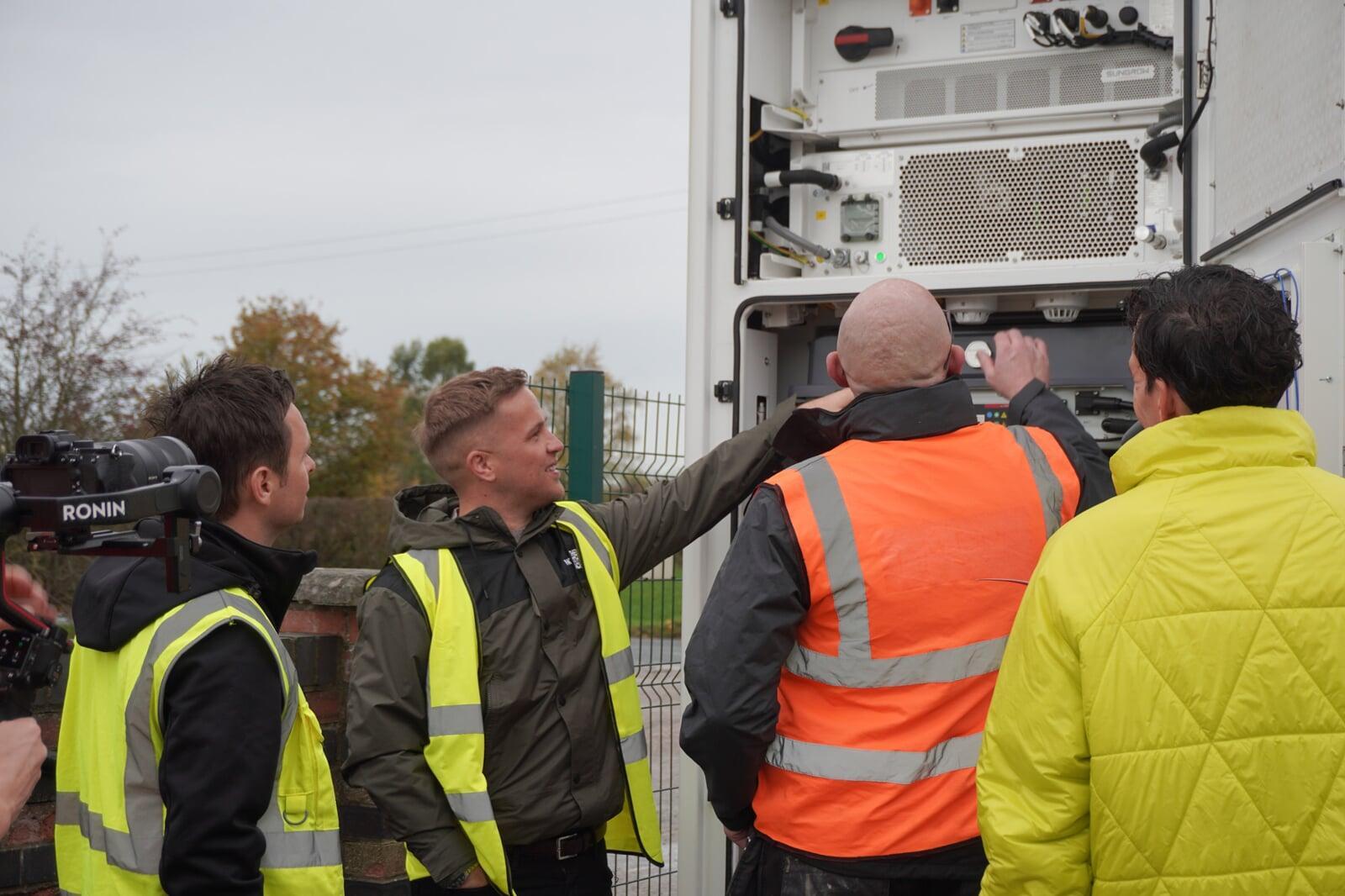
Support Is Part of the Product
Commercial solar systems are expected to operate for decades, and that expectation extends beyond hardware.
David highlighted the scale of Sungrow’s UK operation:
“We’ve got more than 85 people in the UK now, across every function. That local support is what gives installers confidence on large commercial projects.”
In C&I work, documentation, responsiveness and long-term backing are not optional extras — they are part of delivering systems that perform and remain defensible over time.
Specification Is What Makes Commercial Solar Work
Commercial solar isn’t just domestic scaled up — it’s a different job with different constraints. The key takeaway from the show is that getting the specification right early (gis what makes projects predictable, insurable and profitable. Treat the system like a long-term asset, not just an installation, and the results follow.
SHARE IT
CURRENT THINKING
Why the UK’s Mains Voltage Could Soon Be Lower
A few volts might not sound like much, but the UK’s electricity networks believe lowering mains voltage could ease grid pressure and make room for more EVs, heat pumps, and solar connections. Here’s what’s changing — and why it matters.
V2G: The Vicar’s Wife Drove it; Now it Runs Your House.

The term game changer gets thrown around like confetti, but with vehicle to grid (V2G) it’s deserved. Your EV is a battery on wheels. With a compatible car and the right charger, vehicle to grid (V2G) will run your home, support the grid, and might even boil the neighbour’s kettle.
Google Pulls Plug on Nest Thermostat Support
Nest made my home smart; Google just made it useless. Ten years on, my thermostat’s dumb, my smoke alarm’s expired, and my smart lock’s demanding a key — the smart home dream is officially offline.