IET Issues Urgent Island Mode Earthing Guidance ⚠️
Featured
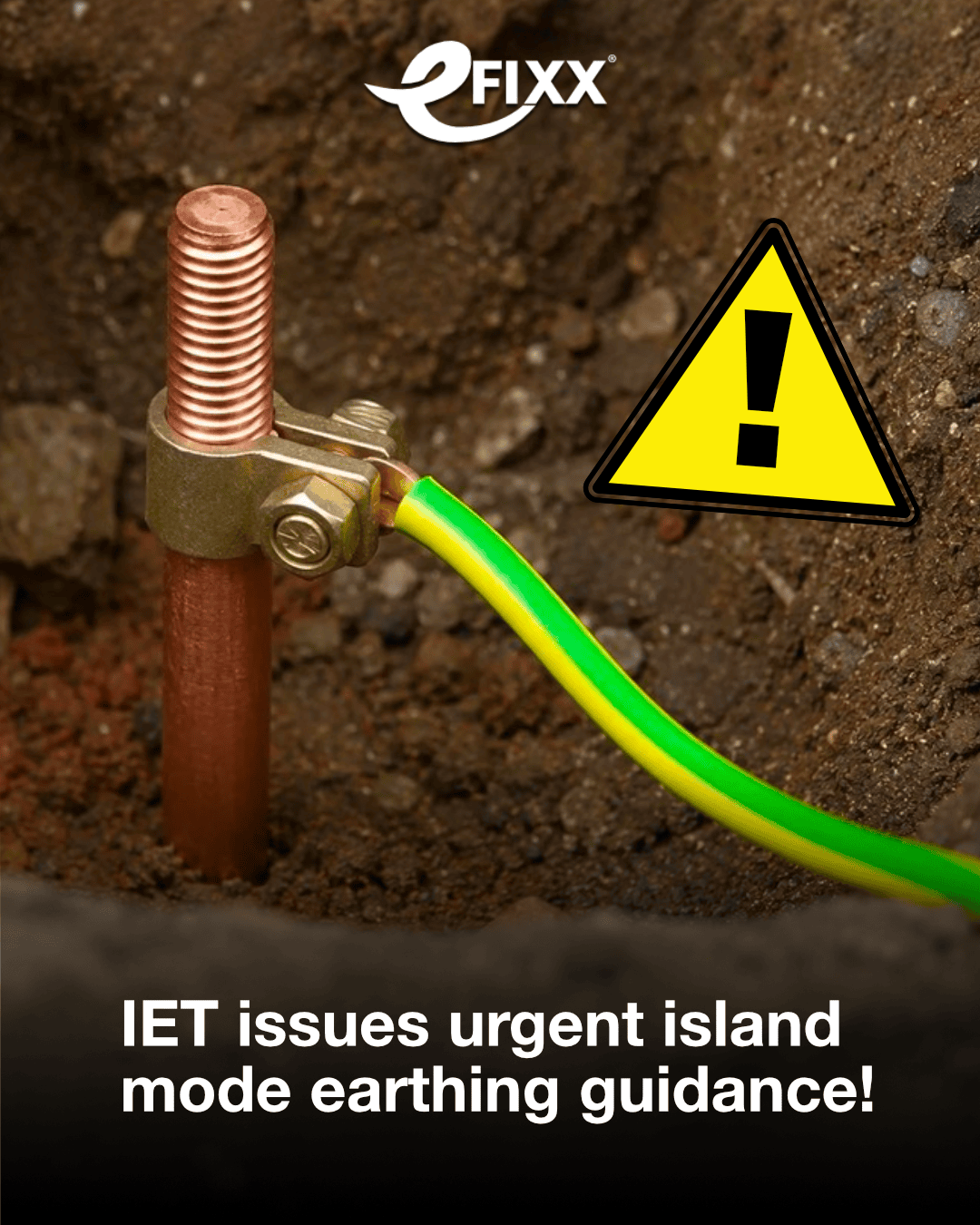
The IET has issued urgent guidance covering the design and verification of solar and battery installations operating in island mode. The advisory addresses earthing, system referencing, RCD protection and the difficulties of verifying fault protection when an inverter is disconnected from the public grid. Read the full IET advisory.
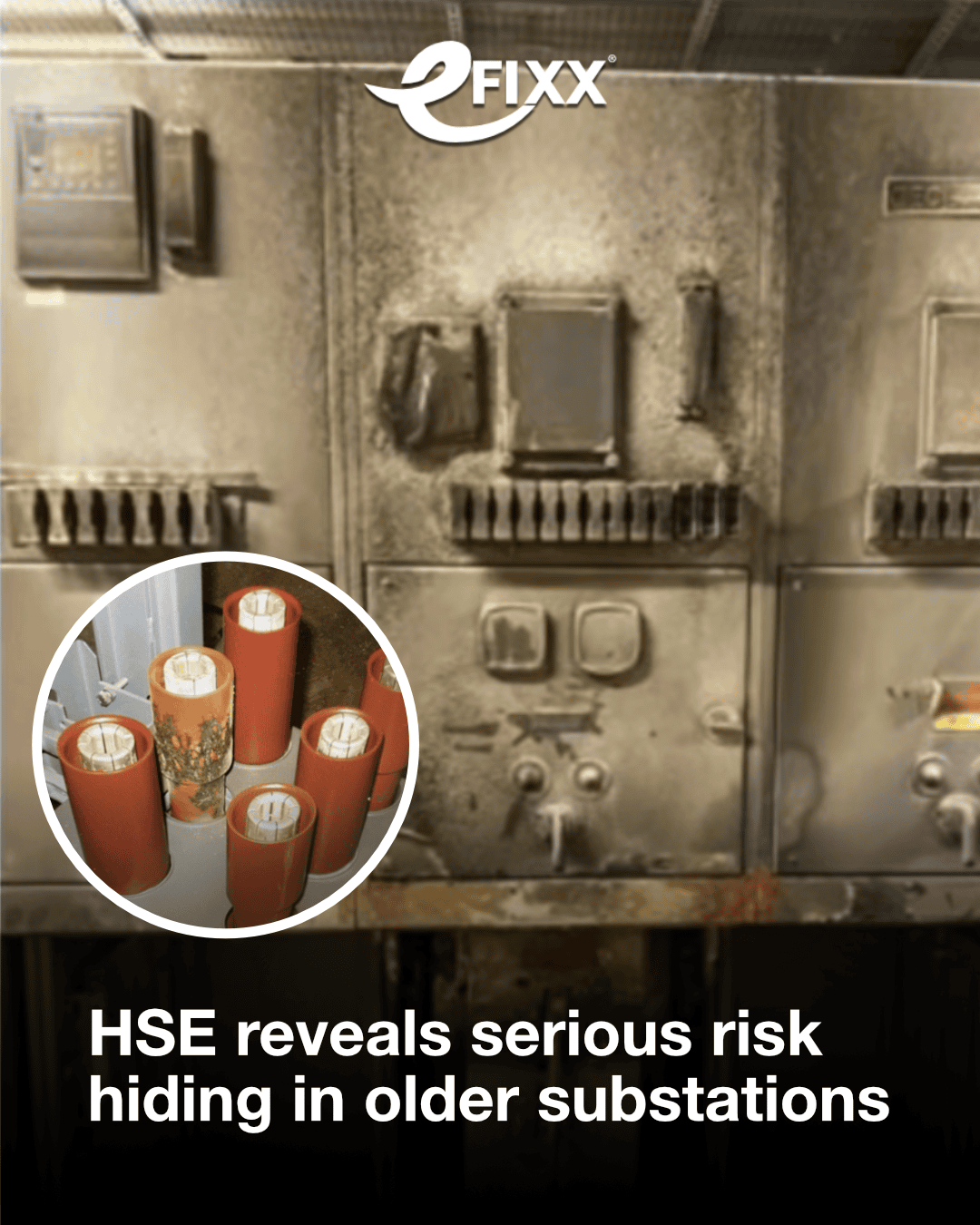
The HSE has issued a safety warning over older GEC Type VMX high-voltage switchgear following an 11kV failure that caused arcing and a substation fire. Contractors are being urged to identify affected equipment and check its maintenance history before carrying out work.
Read the official HSE safety notice.

THANKS TO OUR PREMIUM PARTNERS
THANKS TO OUR PREMIUM PARTNERS

An electrician was left stranded for six hours inside an illuminated sign 130ft above the ground after the cherry picker being used to access it failed. With even the fire brigade unable to reach him initially, another lift eventually had to be brought in from a nearby job site before he could be rescued and treated for severe dehydration.
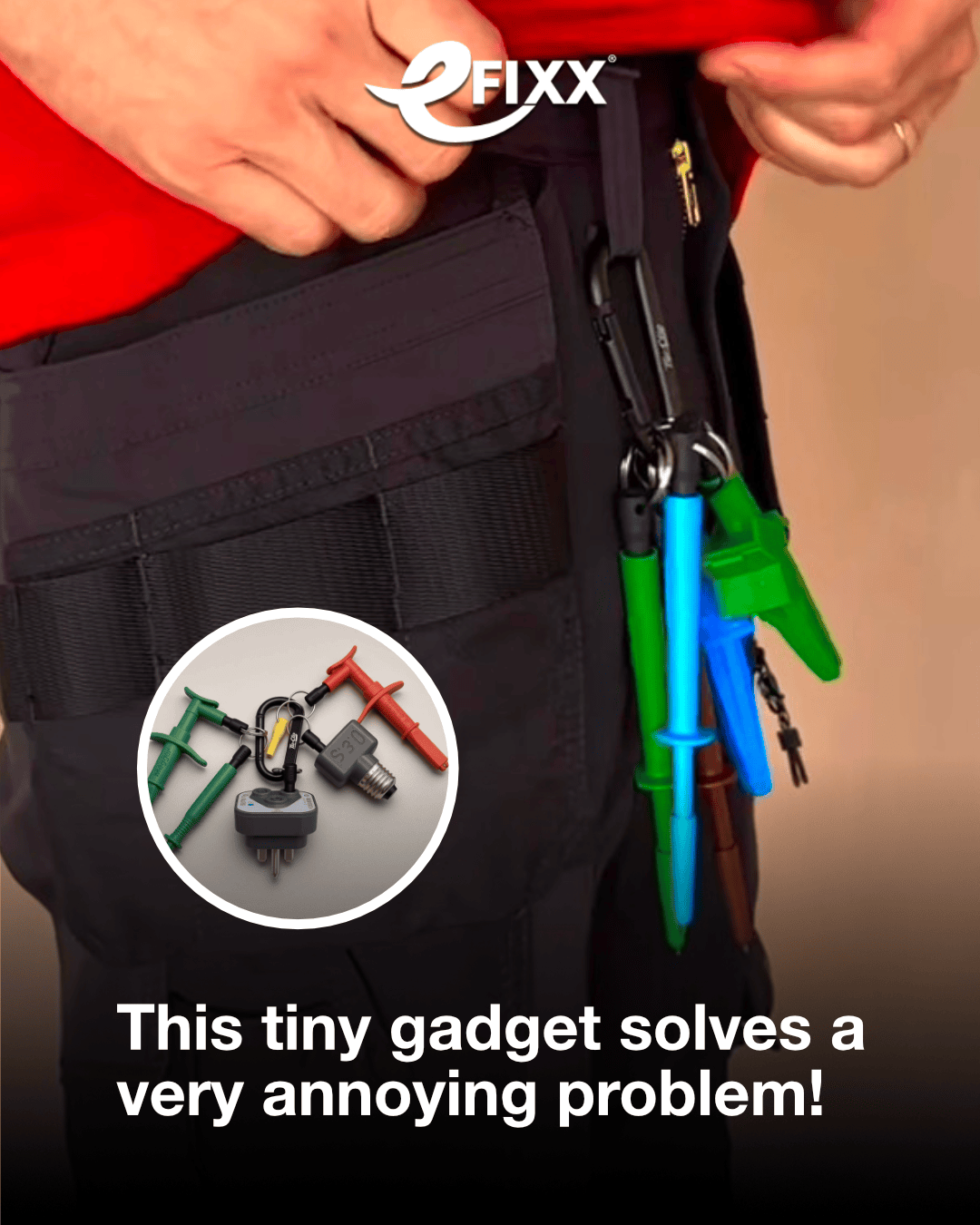
UK-made Tip-Clip is designed to keep test probe tips organised and within easy reach on site. The £17 accessory holds up to five standard 4mm probe tips and can be attached to a belt, tester strap or tool bag, helping protect them from damage while cutting down on time spent hunting through your kit.
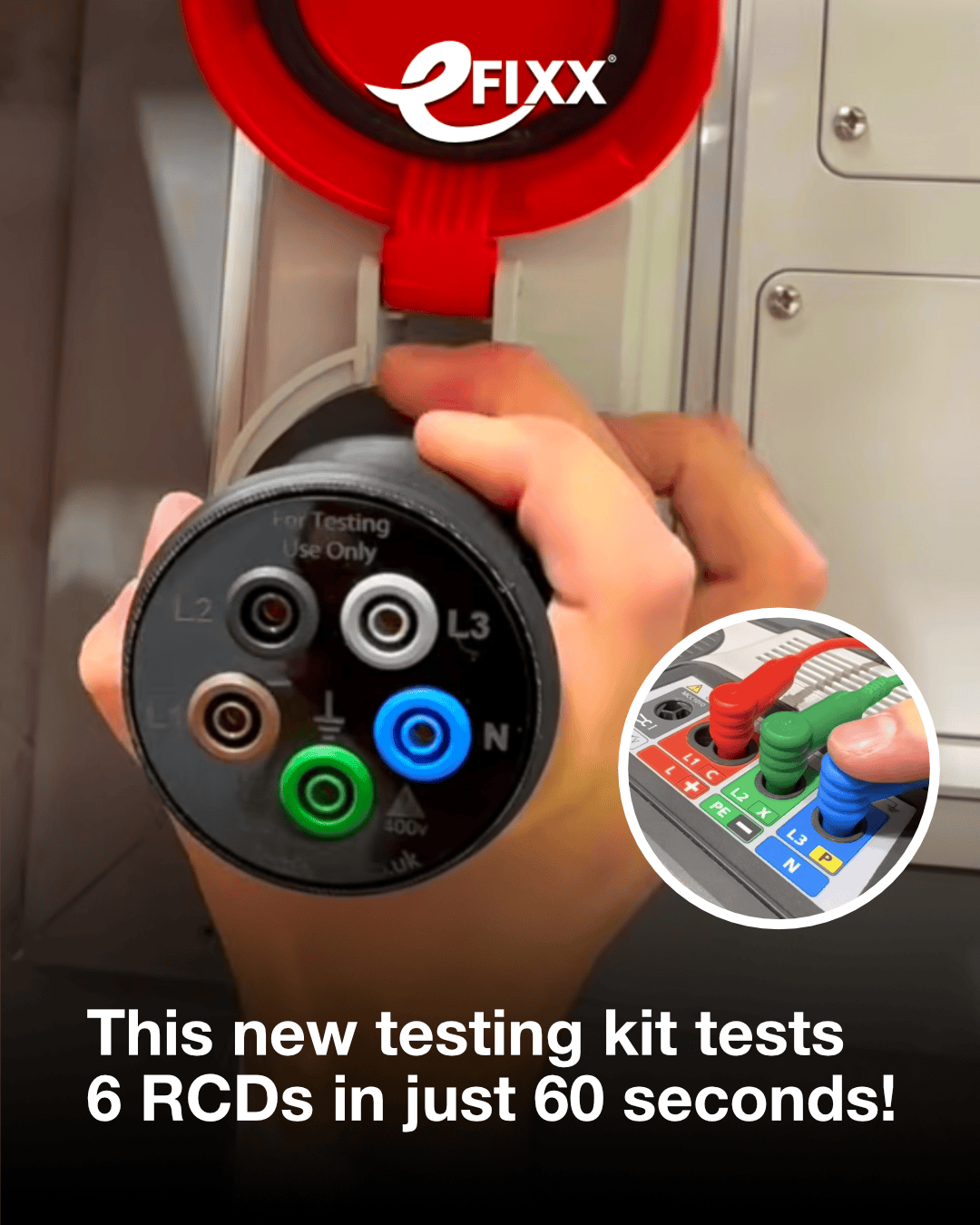
Test Event UK has developed a range of testing plugs designed to provide a safer, faster interface for electrical testing without exposed live probes. The company says the system can test six RCDs in just 60 seconds, with options covering CEE connectors from 16A to 125A, plus PowerLock and Socapex.
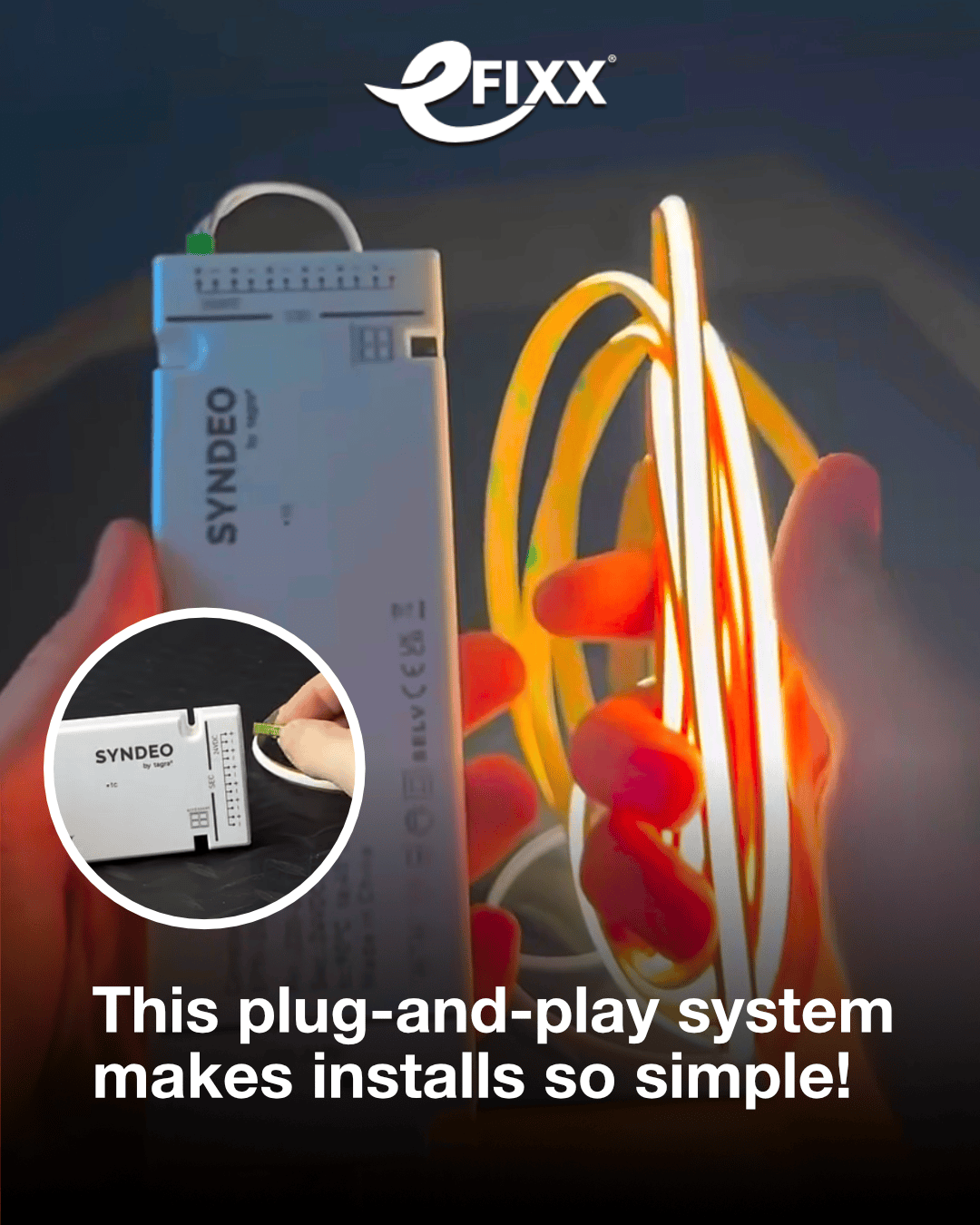
UltraLEDs’ Syndeo is a plug-and-play LED lighting system bringing strips, drivers, sensors, cables and connectors together into one compatible ecosystem. Designed for furniture, cabinetry and display lighting, it aims to make bespoke installations quicker and simpler with less wiring and soldering.

Safety is something nobody in the trade can afford to overlook, which is why Safe4September is back for another year. Throughout the month, we will be sharing practical advice and free training to help electricians stay safe at work, with the training also counting as an hour towards your annual CPD requirement.

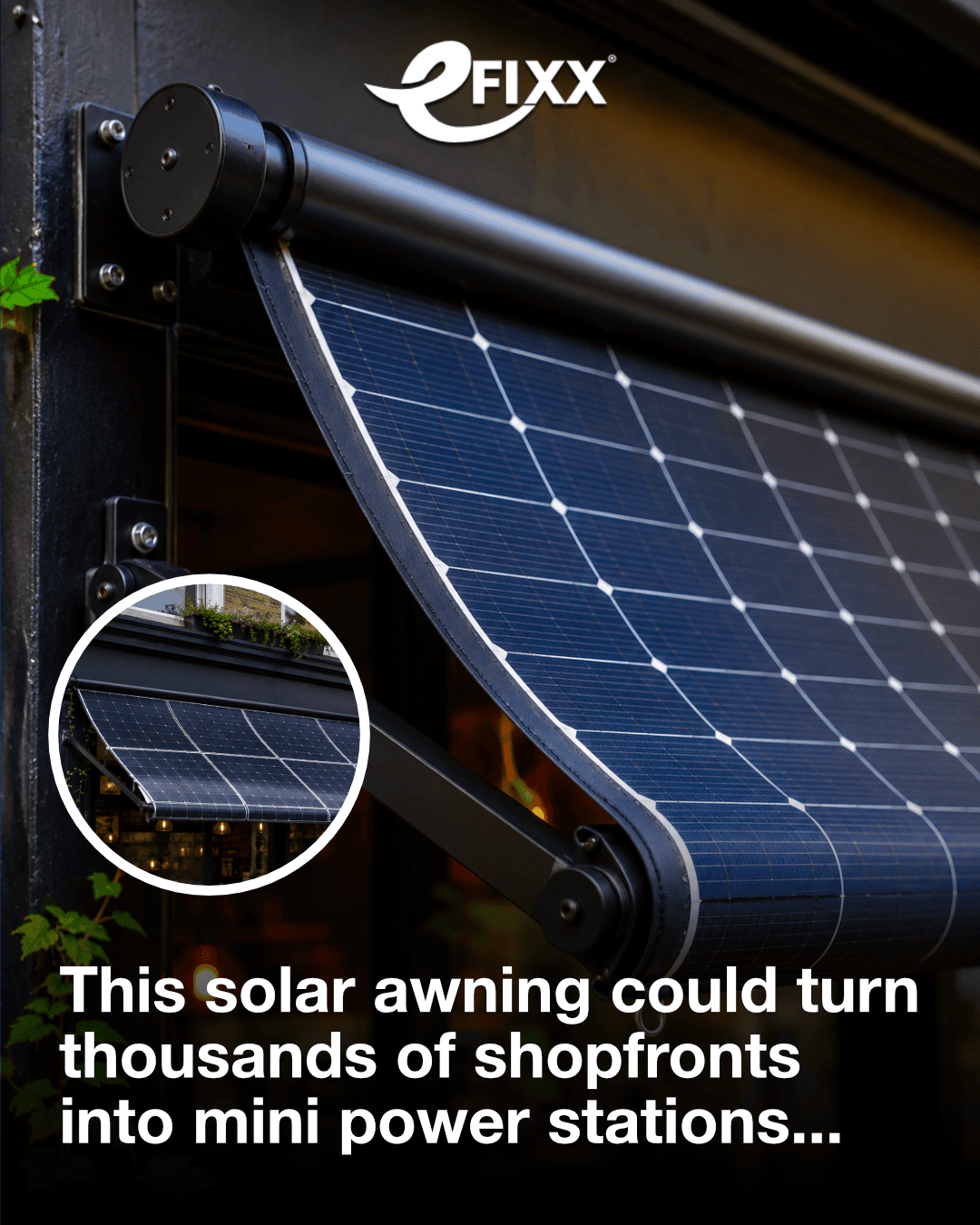
A German startup has developed a retractable solar awning designed for homes and shopfronts, turning otherwise unused space into a source of renewable energy. The system uses rollable fabric and can even be paired with a 1.6kWh battery, combining shade, power generation and energy storage in one installation.
Bonus Stories
World Class Defender
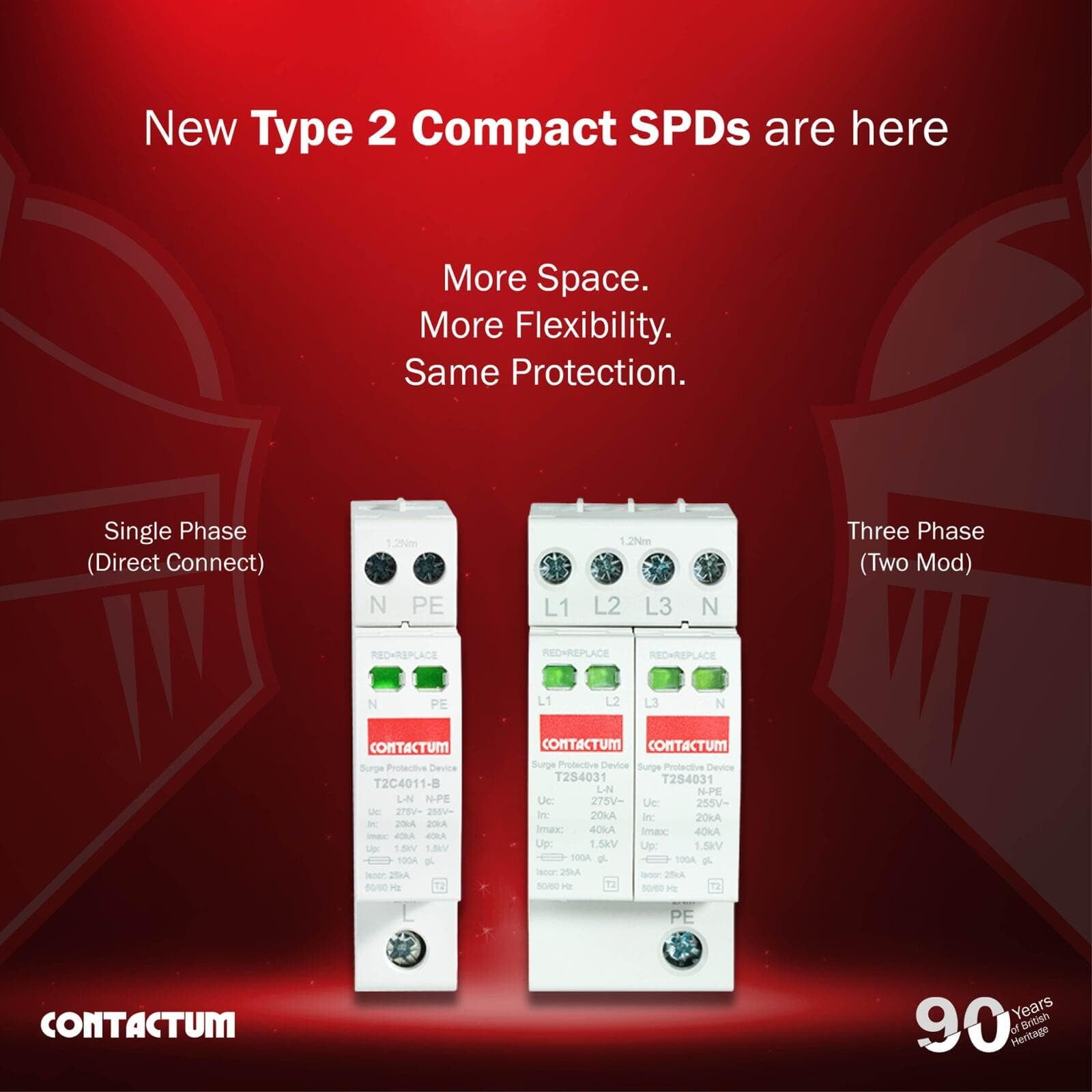
Contactum is making surge protection easier to fit with the launch of its new Type 2 Compact Surge Protection Device range.
Designed for use with Defender 2.0 consumer units and Defender B Boards, the new Compact SPD range gives installers strong protection against transient overvoltages in a smaller, more practical format.
Space inside consumer units and distribution boards is becoming more valuable than ever. Modern installations often need to allow for extra circuits, smart technology, EV charging, solar PV, battery storage, and other connected equipment. That can make board layout a real challenge, especially when every module counts.
Contactum’s new compact design helps tackle that problem. By reducing the space needed for surge protection, installers get more room to work with while still delivering the level of protection expected from a full Type 2 SPD.
For domestic jobs, the range is ideal where consumer unit space is tight. In commercial and industrial settings, it supports cleaner, more efficient board layouts while helping maintain compliant protection across more complex systems.
The Defender 2.0 Compact SPD has also been designed in line with updated industry guidance, including BEAMA recommendations and manufacturers’ instructions. Under certain conditions, this allows an SPD to be installed without a dedicated MCB, with protection provided through the DNO fuse instead.
Alan Broom, Technical Manager at Contactum, said: “The way electrical installations are designed is changing, with increasing pressure to maximise space without compromising safety. Our new Compact SPD range delivers trusted protection in a smaller format.”
As electrical systems become more crowded, Contactum’s Compact SPD range gives installers a practical way to protect modern installations while making better use of valuable board space.
Home With This Range?
Electric vans are no longer a distant idea for UK trades and small businesses. For many, they are already part of daily working life.
New research from Tempcover has found that 30% of van-reliant SMEs and sole traders are already using electric vans in their operations. The survey, which questioned 500 UK businesses that rely on vans for work, also found that interest is growing fast. Among those yet to make the switch, 58% are considering moving to electric within the next five years.
However, the research also shows that many businesses still have practical concerns to work through before they commit. The biggest barrier is range anxiety. Among businesses that have not yet switched, 39% said they were worried about how far an electric van can travel on a single charge. High upfront purchase costs were the next biggest concern, cited by 29% of respondents, while 28% pointed to a lack of suitable charging infrastructure.
Those concerns are understandable, especially for small firms where a van is often essential to earning a living. Any change to the vehicle setup needs to work reliably, day after day.
Even so, the shift towards electric vans is clearly underway. More than a quarter of businesses said they plan to switch within the next 12 months, while almost two-thirds expect upcoming policy changes and manufacturing trends to influence their future fleet choices.
There are still confidence gaps to close. More than half of businesses yet to switch said they do not feel electric vans are suited to their specific needs, and 70% have concerns about reliability for high-mileage or long-distance work.
Claire Wills-McKissick, temporary business van insurance expert at Tempcover, said the transition requires careful planning, particularly for smaller businesses where upgrading vehicles is a major investment.
As emissions rules tighten and more electric models become available, many van-reliant businesses are watching closely. The opportunity is clear, but the challenge now is building the confidence to make the move.