Having an EV charger installed at home? Read these 12 tips BEFORE you buy!
Having an EV charger installed at home? Read these 12 tips BEFORE you buy!
By Ray Molony
Thursday 21 October 2021
SHARE IT
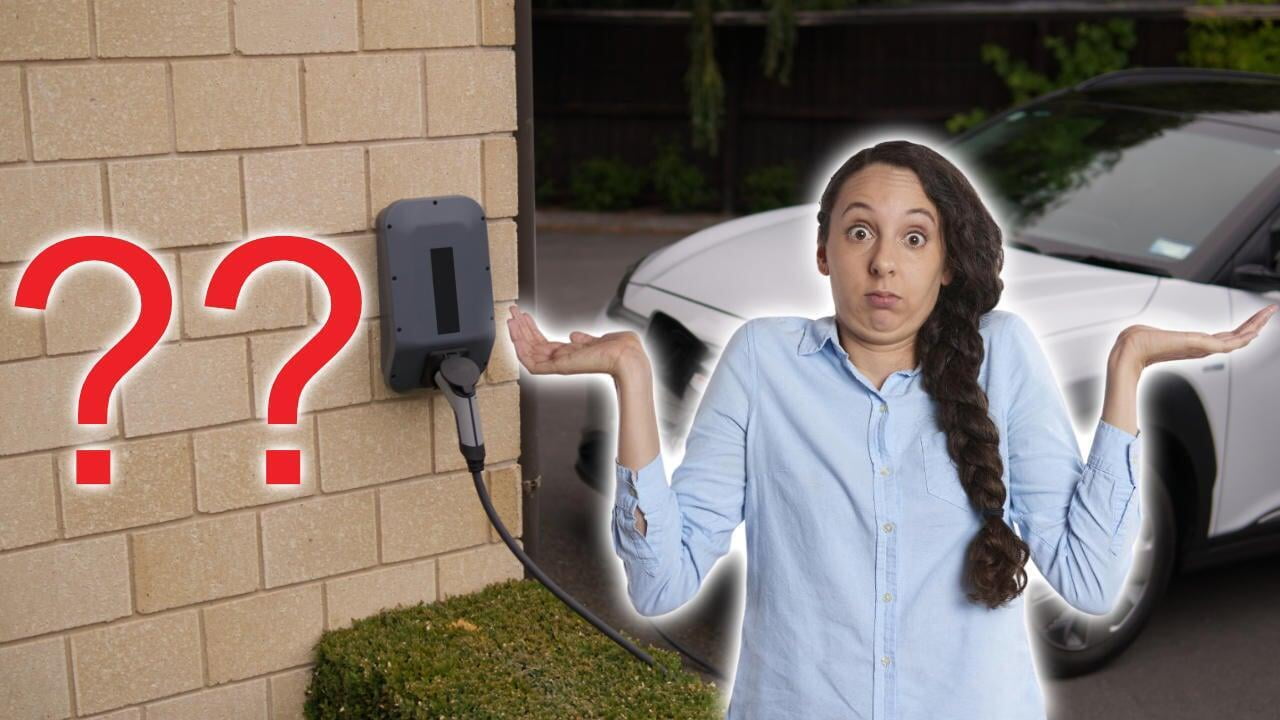
Are you about to buy an electric car (EV) and starting to think about having an electric vehicle charger installed at home?
You need to put as much consideration into your EV charging point as you do in selecting your car!
Here are the key things you need to consider, from location to EV charger cable length and types.
So, to avoid costly mistakes and future proof your installation, read on.
(Note: We’re focussing on EV charging in the UK but most of our advice is relevant to other countries.)

1. You’ll need more than the ‘Granny cable’
The so-called ‘Granny cable’, provided with the car and designed to plug into a standard 13 amp (A) socket, is fine for occasional use when you visit relatives but it will take 36 hours to charge a 75 kilowatt hour battery from empty. So get yourself a fast charger.

2. Check first you have capacity for a fast charger
You need to know if your house has enough juice for a fast charger. Find where your meter is located and check the incoming cable. If it’s lower than 100A, and you’re a heavy electricity user with equipment like induction hobs and electric showers, enquire with your energy supplier to see if you can get it upgraded, or consider a special load-sharing charger. Another problem is if you have a ‘looped supply’ where your incoming cable immediately loops out to your neighbour’s house. Again check this can be changed with your energy supplier.
3. Ensure you can add another circuit to your distribution board
EV charging will require a dedicated extra electrical circuit in your house. So check at your distribution board (also know as a consumer unit or fuse box) to see if there’s room for another circuit. If not, you’ll have to get your electrician to install a bigger board.
Check out this EV installation project.
4. Work out where you’ll position your charger
The next thing to consider is the position of your EV charging point. This can be a bit of a trade-off between where it's easiest to actually fit the charge point and get the cable to it and the places where you could park your car. How easy is it for the charging lead to reach the charging inlet on the car? Do you like to reverse in or do you like to drive in when you come home from work? Remember, different cars have the inlet that in different places so the car you buy today may be different from the car you have in three years.

5. Think about wi-fi range
EV cars are designed to work best when connected to the internet so that they can, for instance, download over-the-air software updates. If your parking space doesn’t have a reliable wi-fi connection to do that explore the possibility of changing your wi-fi set up such as using range extenders to reach your car.
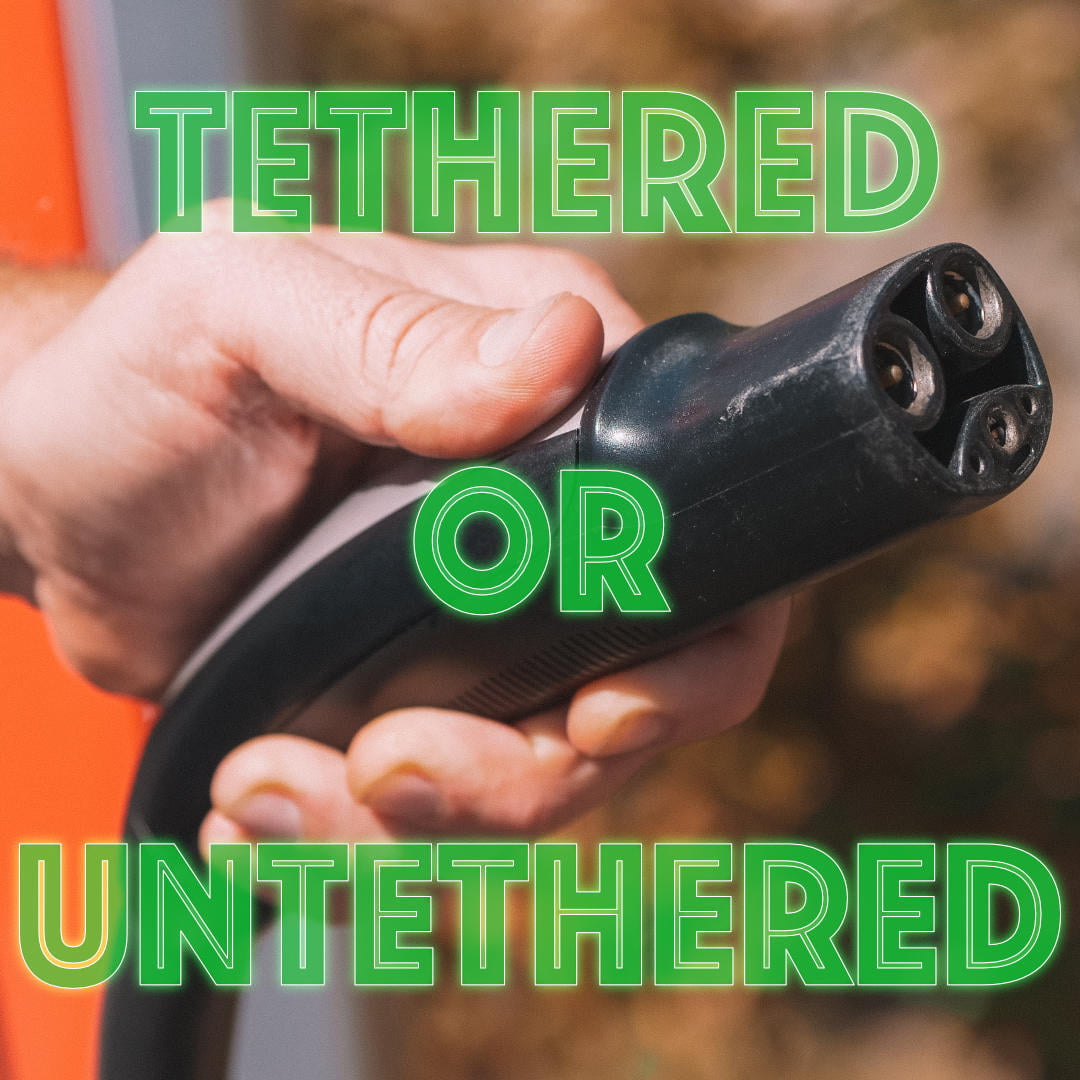
6. Choose between tethered and non-tethered cable
A tethered unit has the charging cable permanently attached to the charger while with an untethered option, you have to provide your own lead. If it’s in a public area, you may not want the local children using the cable as a skipping rope. Equally, you may not want to dig out your lead from the boot in the middle of a dark winter's night.

7. Make sure you get the right connector
Most modern EV cars have a type 2 connector but older cars can have a type 1. It's worth bearing this in mind if you're in the market for a used car.
8. Note that the maximum power is 7 kilowatt
In the UK, the maximum power you’re allowed for an EV charger in a single phase is 7 kilowatts. This will charge a car with a 75 kilowatt hour battery from empty to full in just over 10 hours. If you want faster, you’ll have to install a three- phase supply which is a significant investment.
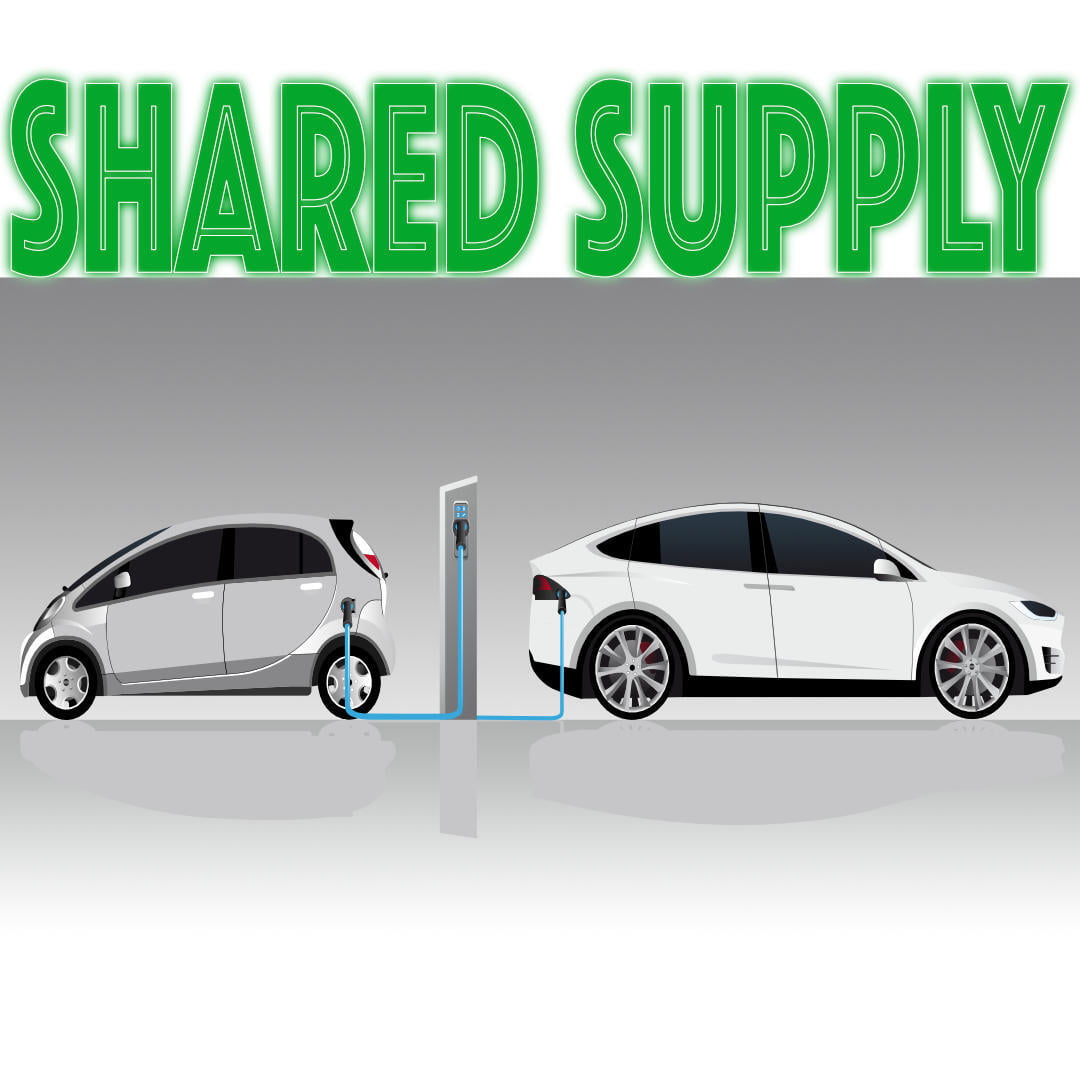
9. Future proof your installation with a two-car charger
If you think there’s the possibility of having two EV vehicles in the future, it might be prudent to install special double unit smart chargers which are appearing on the market. These allow two EV chargers to share a supply and intelligently communicate between them so one car may charge first and then the second car, or the systems can intelligently share the available power between the two cars.

10. Know your costs
As a significant amount of electricity goes in to charge a car, you’re going to see a significant increase in your electricity bill, even without recent price hikes. However, with a ‘smart charger’ you can use special smart tariffs that are starting to emerge just for the EV market. Some of these tariffs will actually pay you to charge your cars, depending upon the time that you do it! The downside is that if you try to charge your car at peak hours when everybody else is trying to cook the dinner on the induction hob and take an electric shower you will pay a premium. Smart chargers can manage the process for you depending on how fast and how cheaply you want to charge.
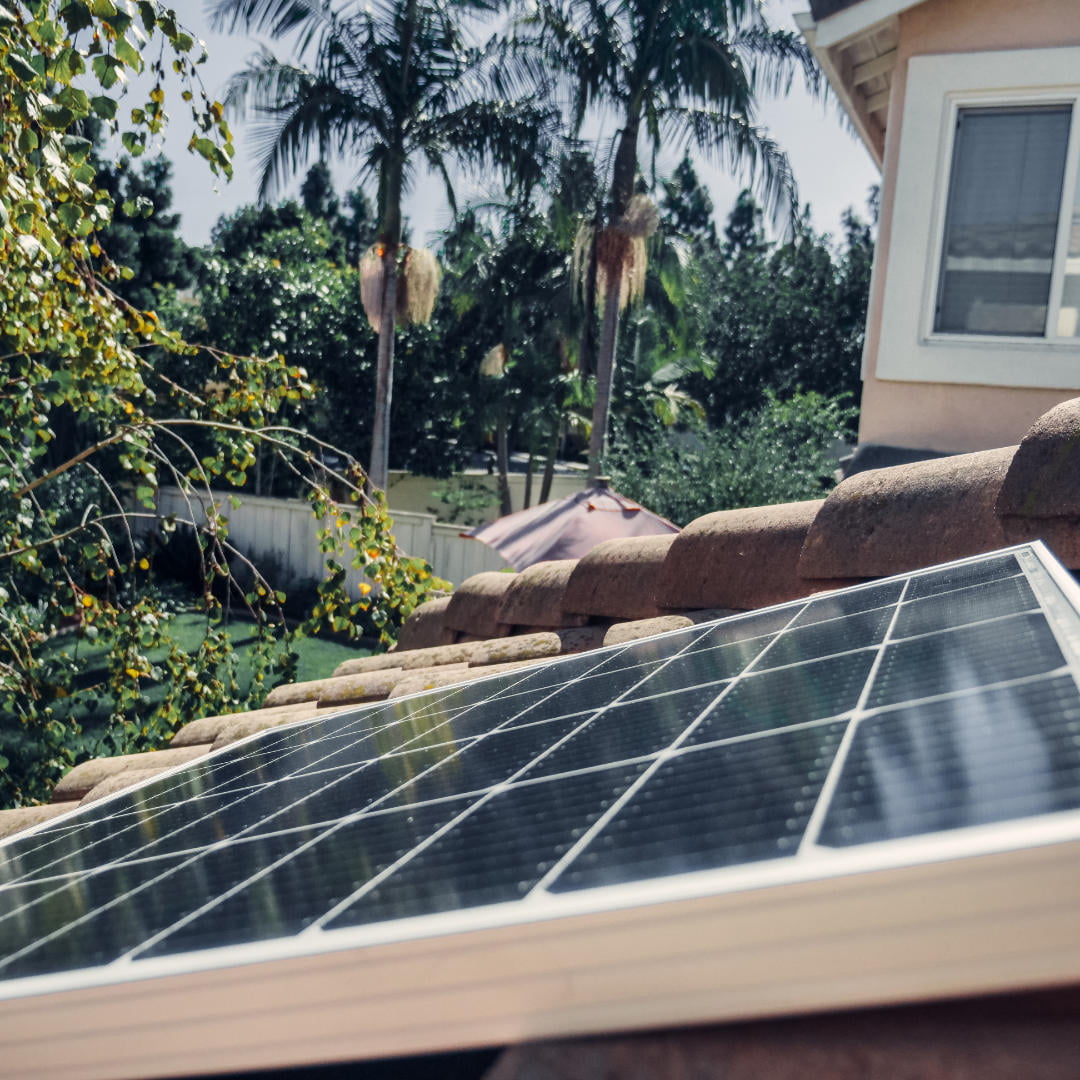
11. Add solar to cut costs
If you've got solar panels it's important that your EV charger is also compatible with them. A compatible charger can divert the excess energy generated by the solar panels to your car.

12. Get a look that blends in
Another consideration is looks. It’s a personal choice but you want one which blends in beautifully with its surroundings. There's a vast array of chargers coming to the market, and some of them look a little bit more ‘agricultural’ than others, some are huge and some are absolutely tiny. Remember not all chargers have all features so bear this in mind when you're choosing: is it all about the looks? Is it about the app? Is it about the safety features? Is it about combining with your solar panels?