Earth It, Bond It or Leave It Alone?
By Gordon Routledge
Thursday 30th July 2026
SHARE IT
Metal pipe? Bond it. Metal tray? Earth it. Back box? Fit a fly lead.
If only it were that simple.
Earthing and bonding decisions are often driven by habit, particularly when metalwork is involved. But being made of metal doesn’t automatically mean something needs connecting to earth.
The real question is what that metalwork can do electrically.
Can it introduce a potential into the installation? Could it become live under fault conditions? Is it being used as a protective conductor—or would connecting it to earth potentially create a risk that didn’t previously exist?
Across these eight videos, the eFIXX team tackles some of the most common myths, misunderstandings and awkward edge cases surrounding earthing and bonding.
1. Earthing and bonding are not the same thing
The myth: Earthing and bonding are two names for the same job
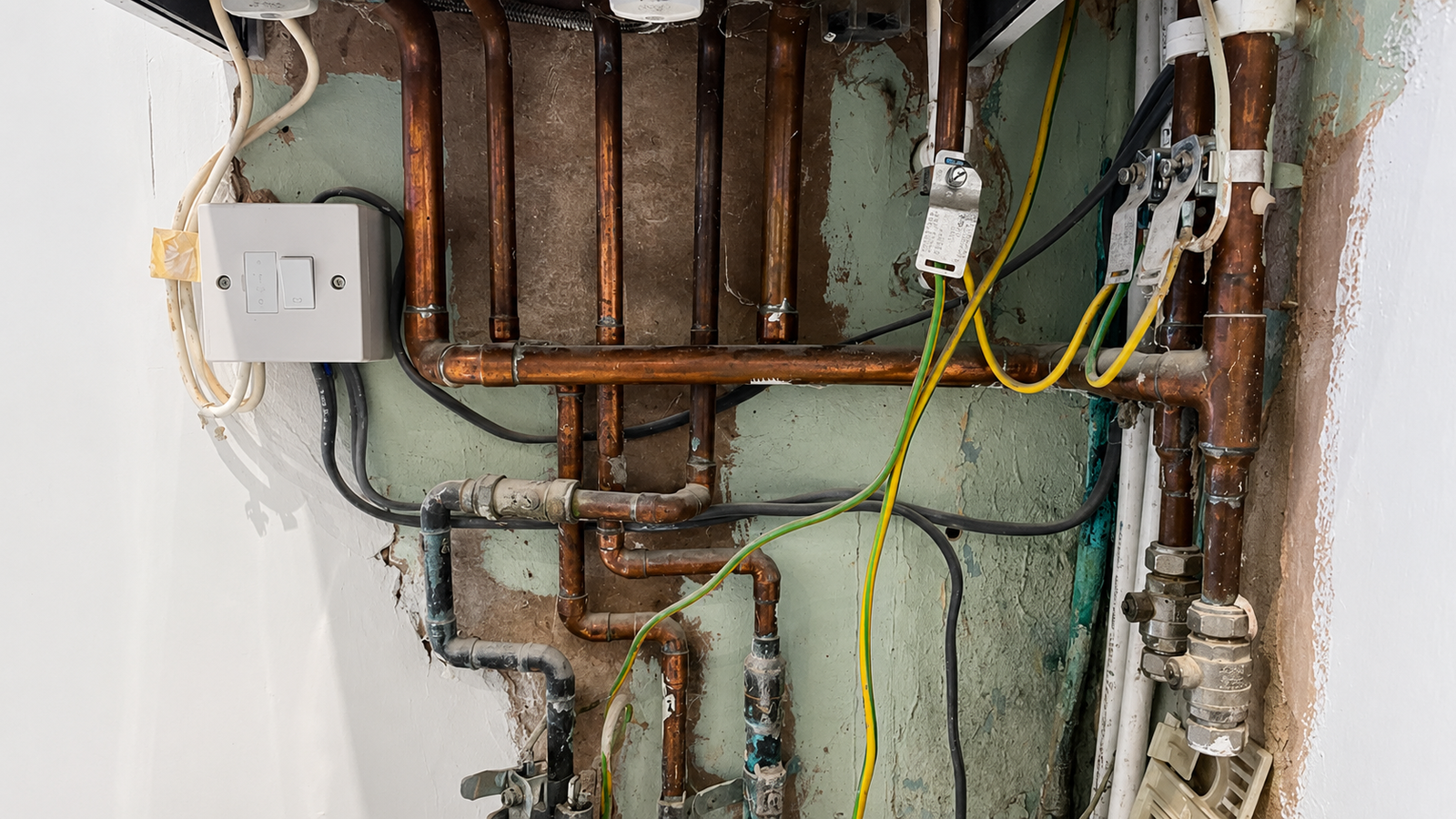
The two terms are often bundled together, but they serve different purposes.
Earthing connects exposed-conductive-parts of the electrical installation to the main earthing terminal (MET). These are conductive parts of electrical equipment that aren’t normally live but could become live if a fault occurred—such as a metal consumer unit, class one appliance casing or metal wiring accessory.
The protective conductor provides a path for fault current, allowing the appropriate protective device to disconnect the supply.
Protective equipotential bonding deals with extraneous-conductive-parts. These are conductive parts that aren’t part of the electrical installation but are capable of introducing a potential, generally Earth potential, into it.
That distinction is the key to almost every question that follows.
The takeaway: Earthing deals with conductive parts of the electrical installation that could become live. Bonding deals with conductive parts capable of introducing an Earth potential into the installation.
Watch: What is the difference between earthing and bonding?
2. Does an incoming water pipe always need bonding?
The myth: If the pipework inside the building is copper, it must be bonded
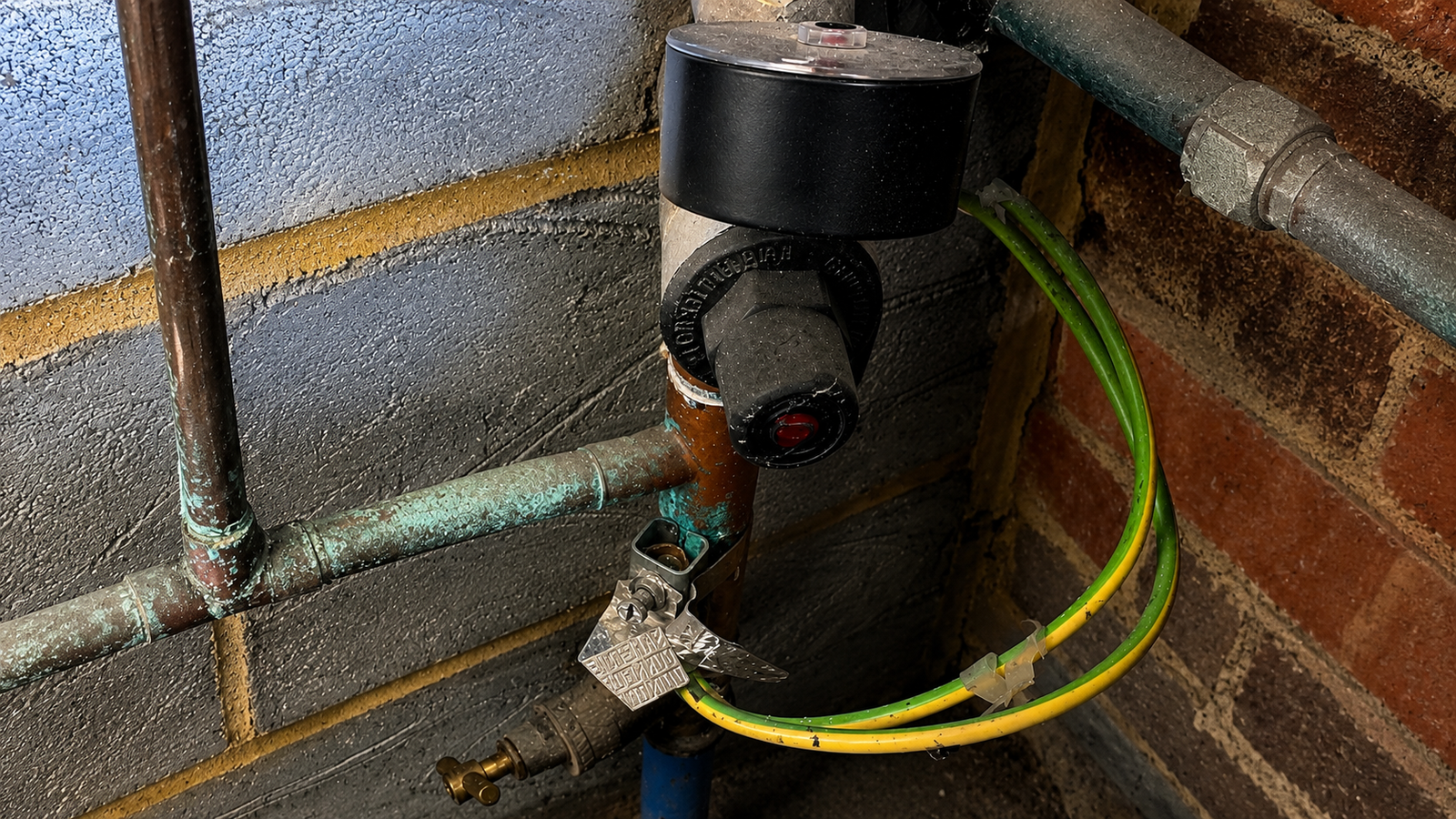
It isn’t the copper pipe beneath the sink that automatically creates the need for bonding. What matters is whether that pipework can introduce Earth potential into the building.
A traditional metallic water service buried in the ground may provide a conductive connection with the general mass of Earth. In that situation, the pipework could be an extraneous-conductive-part and require protective bonding.
But many modern properties have an incoming plastic water service. If there is a suitable insulating section at the point of entry, the internal metallic pipework may have no meaningful connection with Earth.
It might look exactly like the pipework electricians have bonded for decades, but electrically it could behave more like an isolated metal bedframe than a buried metal service.
There can still be other connections to consider. Internal pipework might pass outside, enter the ground elsewhere or connect to equipment that creates another conductive path. The complete installation must therefore be assessed rather than relying on one piece of visible plastic pipe.
The takeaway: Metal pipework doesn’t need bonding simply because it is metal. The question is whether it can introduce a potential into the installation.
Watch: Do I need to bond my incoming water pipe?
3. What about an abandoned metal gas pipe?
The myth: If the pipe is no longer in use, it can be ignored
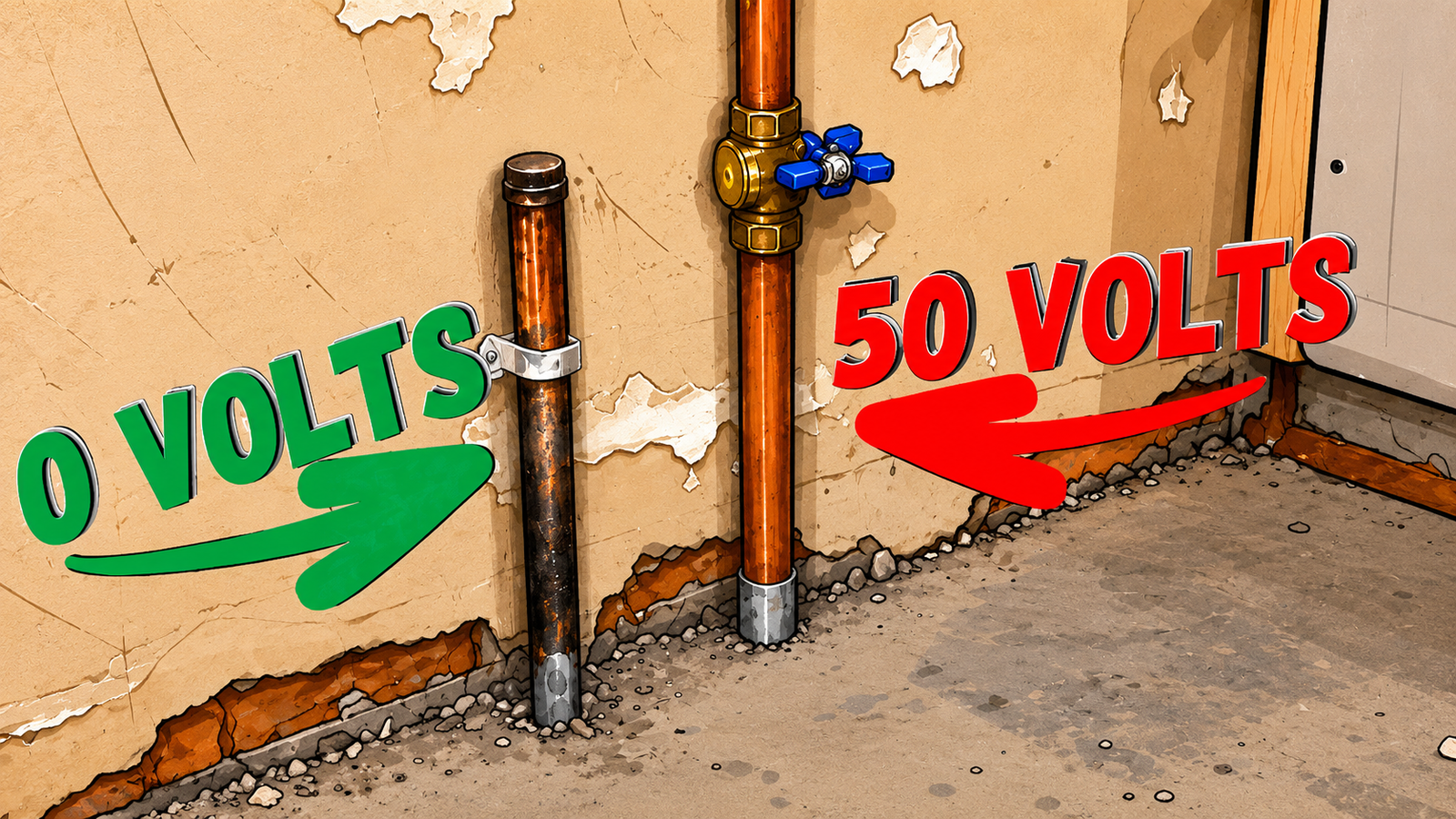
A pipe doesn’t stop behaving electrically because a heating engineer has stopped using it.
In this installation, an old gas pipe had been cut back and abandoned. The bonding conductor had also been removed. It no longer carried gas and wasn’t connected to an appliance, but the remaining pipe disappeared into the ground.
That meant it could still have a conductive connection with the general mass of Earth.
Rather than making a decision based on its appearance, the installation was safely isolated, parallel paths were removed and a resistance measurement was taken between the pipe and the installation’s earthing arrangement.
The result showed a low-resistance connection with Earth. Despite being redundant as a gas pipe, electrically it remained an extraneous-conductive-part and required bonding.
Other metallic items within the same property looked equally suspicious but produced completely different results. Copper pipes supplying a kitchen island were effectively separated from Earth, while a radiator connected through plastic pipework was electrically floating.
Two pieces of metal can look nearly identical and behave entirely differently.
The takeaway: Whether a pipe is still carrying gas or water is largely irrelevant. Its electrical connection and its ability to introduce a potential is what matters.
Watch: Does this abandoned gas pipe still need bonding?
4. Does metal cable tray or basket need earthing?
The myth: All metallic cable containment must be earthed
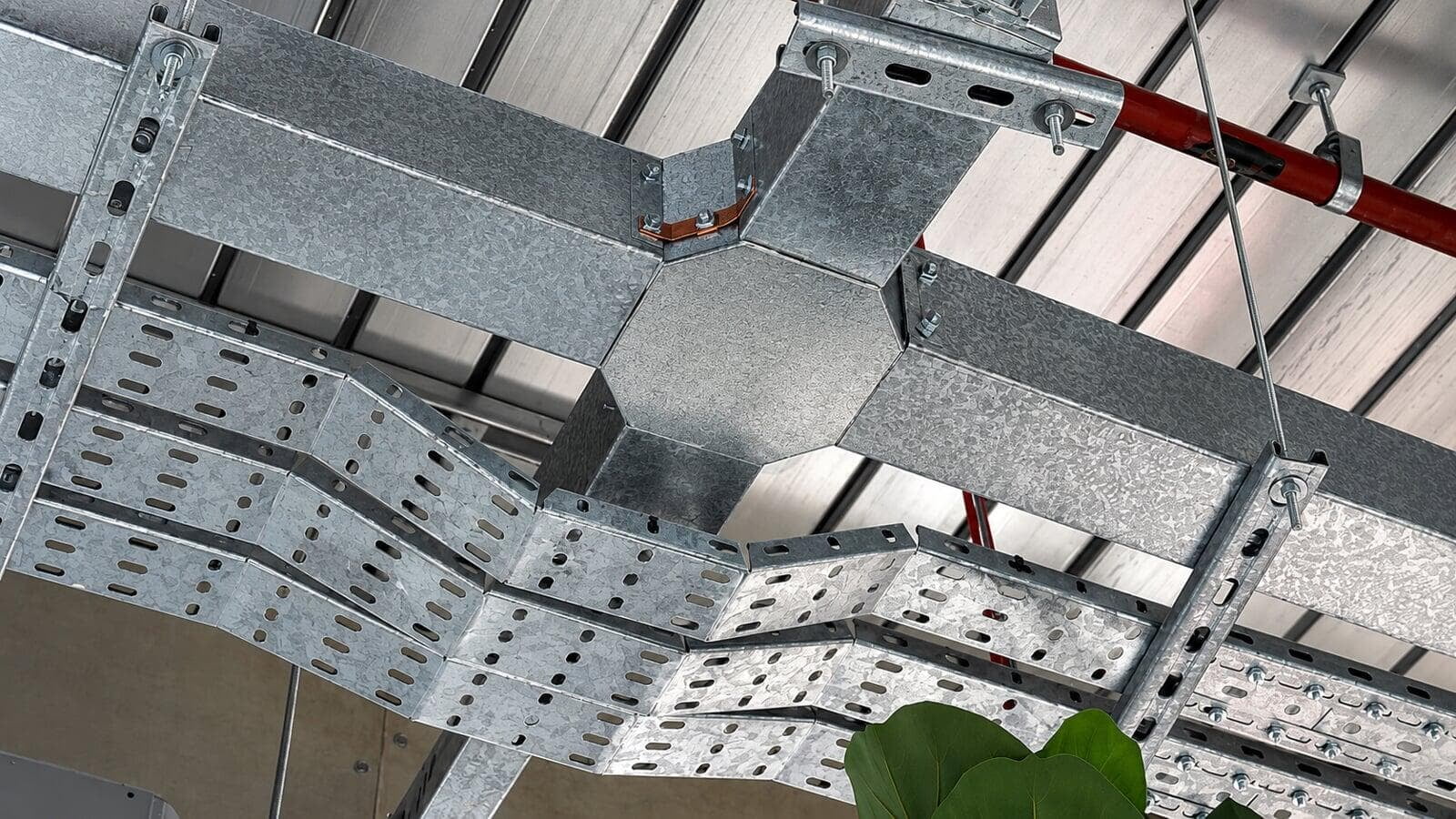
Metal cable tray and basket are regularly connected to earth as a matter of course. But before making that connection, the designer needs to establish what the containment actually is.
Is it an exposed-conductive-part that could become live during a fault? Is it an extraneous-conductive-part capable of introducing a potential? Is it being used as the circuit protective conductor? Or is it none of those things?
If a wiring system is selected and installed correctly, a fault in a cable shouldn’t automatically be expected to make the supporting tray live. Where the tray isn’t likely to become live under fault conditions, isn’t introducing Earth potential and isn’t being used as a CPC, it may not require a connection to earth.
Connecting unnecessary metalwork to the earthing system isn’t always harmless. It can distribute a touch voltage from a fault elsewhere into areas where it wouldn’t otherwise have been present.
However, where metallic containment is intentionally used as a protective conductor, its electrical continuity becomes critical. Joints, couplers and connections must provide a reliable conductive path that is protected against mechanical, chemical and electrochemical deterioration.
The takeaway: Don’t earth tray or basket purely because it is metal. First determine its electrical function and the risks present in that particular installation.
Watch: Do I need to bond or earth metal cable tray and basket?
5. Does a metal back box need an earthing tail?
The myth: Every metal back box requires a fly lead
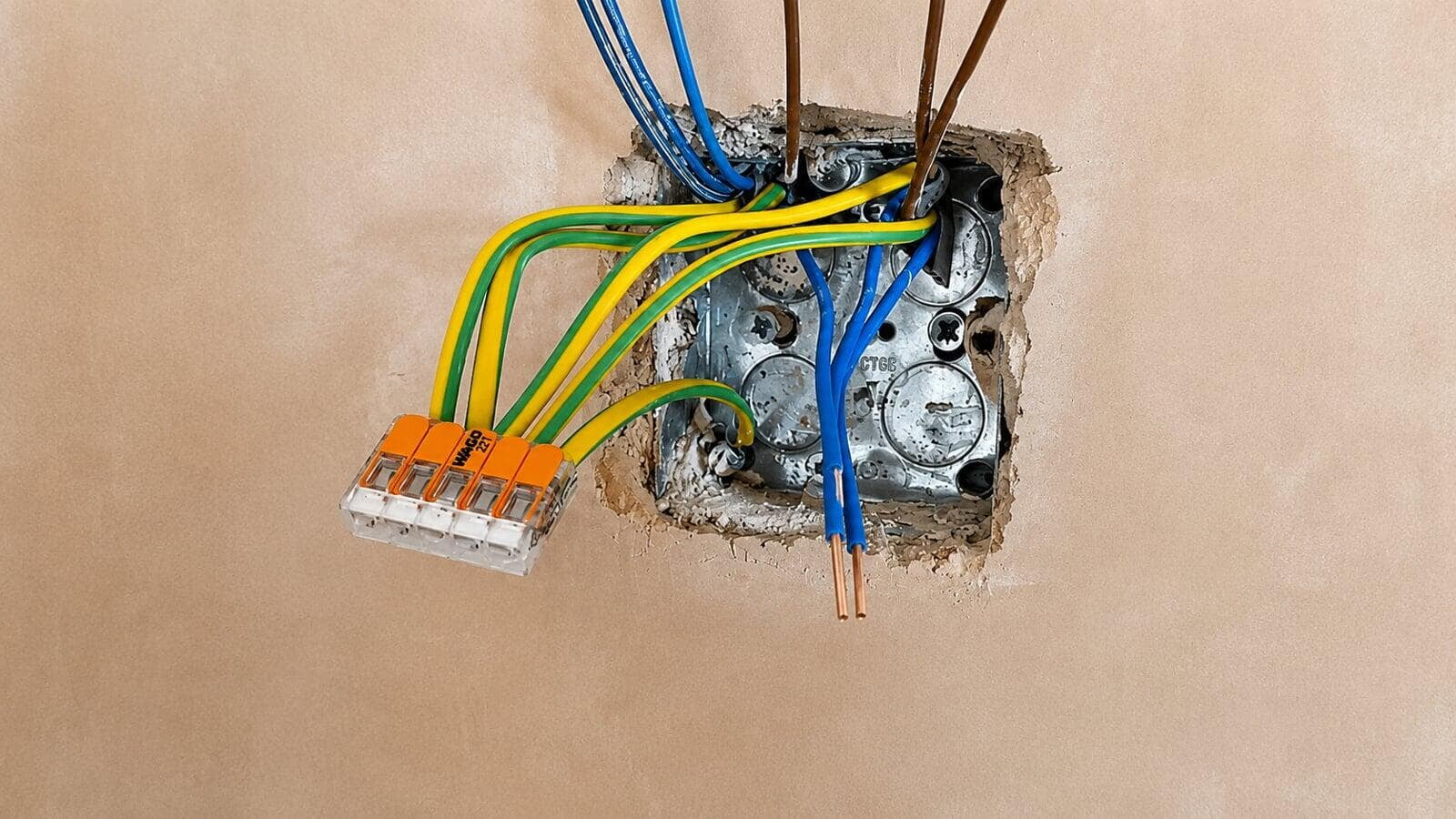
A flush metal back box is classed as an exposed-conductive-part and needs to be earthed. The debate is usually about whether a separate earthing tail is required between the accessory and the box.
The answer depends on the construction of the back box and accessory.
Where a box has two fixed lugs, the fixing screws and the earthing strap of the accessory may provide an adequate earth connection.
Where it has two adjustable lugs, those lugs cannot be relied upon to provide a dependable connection, so a separate earthing tail is required.
The situation most electricians encounter is a box with one fixed lug and one adjustable lug. Guidance describes an earthing link as desirable in this arrangement. In other words, fitting one is good practice, but the fixed lug may already provide the required connection.
If the accessory only has one earthing strap, it must align with the fixed lug.
Different requirements apply where metal conduit is being used as the CPC or where the installation involves surface-mounted metal-clad accessories.
The takeaway: The back box needs to be earthed, but that doesn’t mean every flush box automatically requires a separate fly lead.
Watch: Do I need to earth the metal back box of a light switch?
6. Can steel conduit be used as the CPC?
The myth: You should always pull a separate CPC through steel conduit
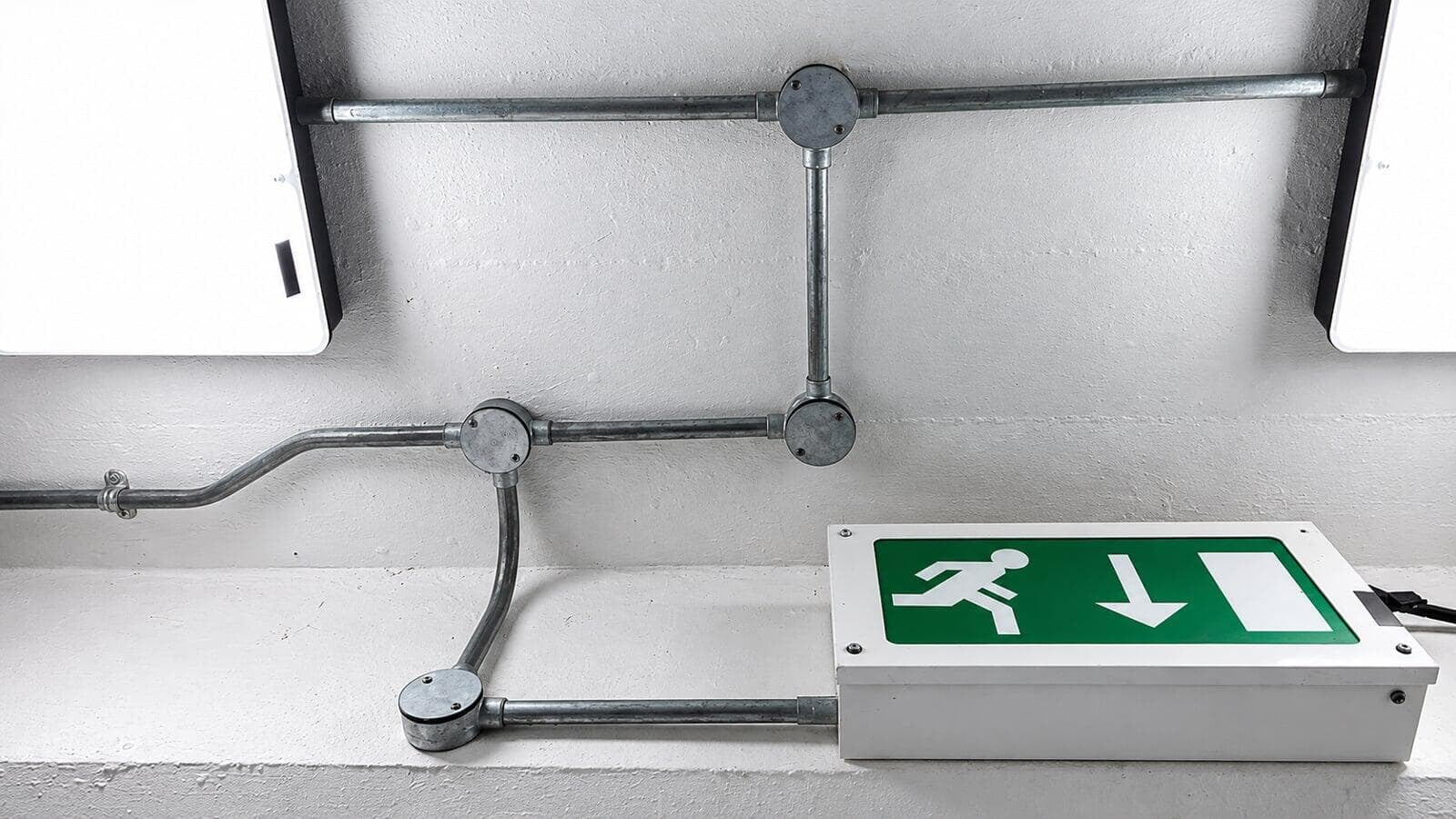
Steel conduit can be used as the circuit protective conductor, provided the complete system satisfies the relevant requirements.
The electrical continuity of the conduit must be assured through its construction and connections. Every joint, box and accessory therefore forms part of the fault-current path. Poorly made, loose or deteriorating connections from things like corrosion could compromise the protective measure.
The conduit must also have sufficient cross-sectional area to withstand the prospective fault current for the required operating time. This can be checked using the adiabatic equation or the appropriate selection method within BS 7671.
In the example explored in the video, a circuit wired in 2.5 mm² copper PVC singles is installed in 20 mm steel conduit. Once the different conductor materials and their relevant factors are considered, the steel conduit provides considerably more cross-sectional area than the calculated minimum CPC.
There is, however, another important detail. Where conduit forms the protective conductor, the earthing terminal of each accessory must be connected to the earthing terminal incorporated within its associated box or enclosure.
The takeaway: Steel conduit can be the CPC, but only when its size, construction, continuity and connections make it suitable for the job.
Watch: Can I use steel conduit as the CPC?
7. What is a clean earth?
The myth: A clean earth is a completely separate connection to Earth
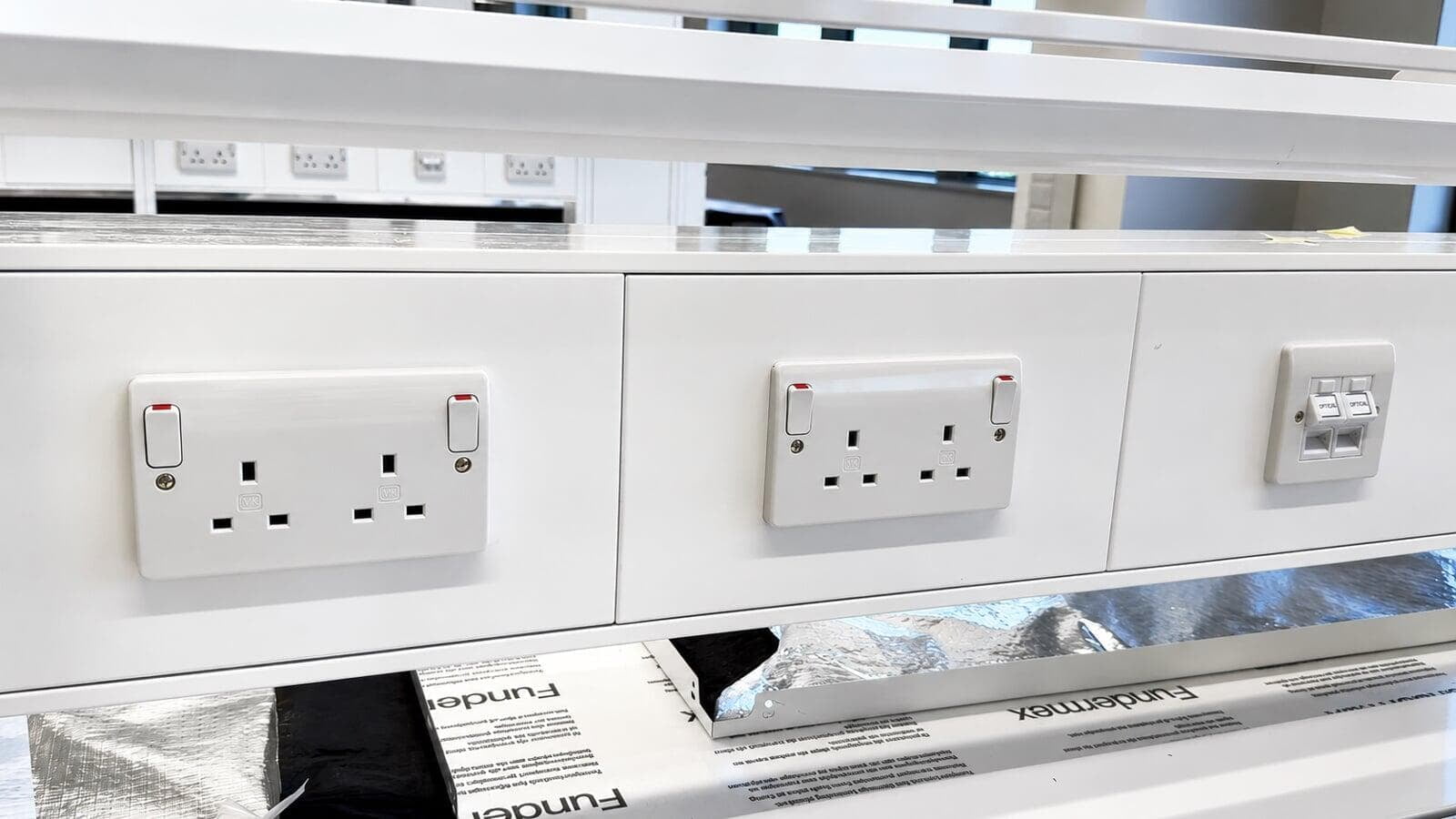
Electronic and IT equipment can be affected by electromagnetic disturbance or electrical “noise” carried around an installation.
It might seem logical to solve this by giving sensitive equipment its own completely independent earthing arrangement. Unfortunately, two separate earthing systems within the same installation could create a dangerous potential difference between simultaneously accessible equipment.
A clean earth, more accurately described as a low-noise earth, takes a different approach.
A separate protective conductor is routed to the equipment being protected. It remains separated from the general protective conductors throughout the distribution system but is connected to the installation’s main earthing arrangement at a controlled common point.
Specialist power-track systems can carry both the general CPC and the clean-earth conductor separately. Matching socket outlets and components are designed to maintain this separation, including insulated fixings that prevent the clean earth from being unintentionally reconnected to the general earth at the point of use.
The arrangement doesn’t eliminate electromagnetic disturbance completely, but it can significantly reduce the amount conducted into sensitive equipment.
The takeaway: A clean earth isn’t an independent earthing system. It is a controlled, low-noise protective conductor arrangement connected to the main earthing system at a defined point.
Watch: What is a clean earth?
8. Should a TN system have an additional earth electrode?
The myth: Earth electrodes are only used with TT systems

Earth electrodes are most readily associated with TT installations, but BS 7671 also recommends an additional connection to Earth for TN systems.
Adding an electrode at the consumer’s installation doesn’t convert a TN system into a TT system. The distributor’s protective conductor remains part of the earthing arrangement.
The additional electrode can help reduce the voltage between the installation’s main earthing terminal and the general mass of Earth. This has attracted greater attention as the industry has become more aware of the consequences of an open PEN conductor on PME supplies.
An electrode alone is unlikely to provide a sufficiently low-impedance fault path to operate an overcurrent protective device. Its resistance, construction, position and connection therefore require proper design.
Driving a rod into the ground also creates some very immediate practical risks. Underground electricity cables, gas pipes, water services and other buried infrastructure must be identified before installation begins.
The wording in BS 7671 is currently a recommendation rather than an absolute requirement, but it may indicate the direction in which future earthing arrangements are developing.
The takeaway: Additional earth electrodes aren’t exclusive to TT systems. They can also support a TN earthing arrangement, but they must be properly designed and installed.
Watch: Does a TN system need an additional earth electrode?
Metal is not the deciding factor
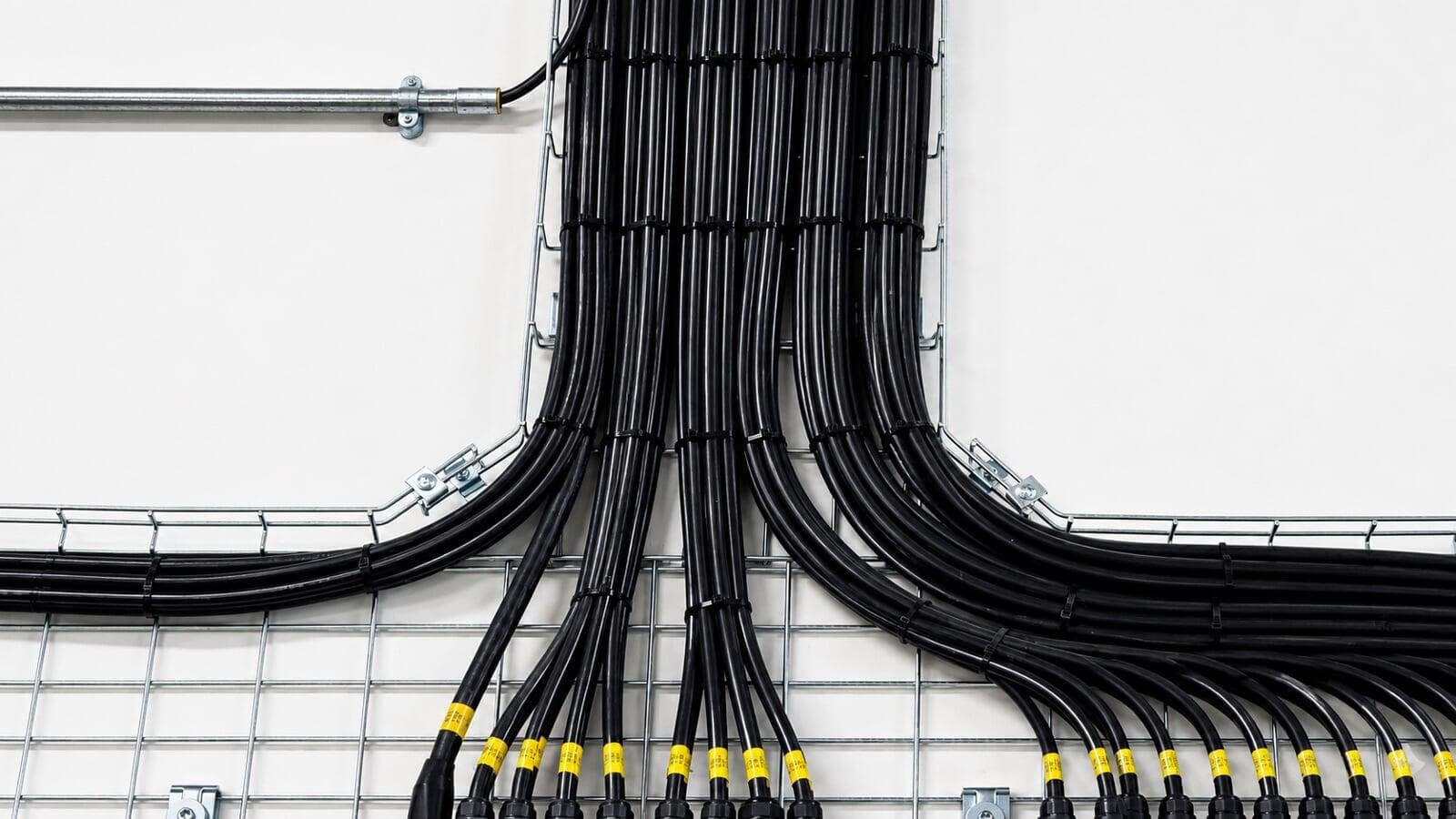
The temptation is to create a simple rule:
If it’s metal, connect it to earth.
But that misses the real purpose of earthing and bonding and can occasionally introduce a risk rather than remove one.
Before making the connection, ask:
- Is it part of the electrical installation and could it become live under fault conditions?
- Can it introduce Earth potential or another potential into the installation?
- Is it being used as a circuit protective conductor?
- Is the connection required to provide fault protection?
- Would connecting it distribute a touch voltage somewhere it wouldn’t otherwise exist?
Sometimes the answer will be to earth it. Sometimes it will be to bond it.
And sometimes the safest and most technically correct decision will be to leave it alone.
Whatever the answer, it should come from assessment, testing and engineering judgement not simply because the object happens to be made of metal.
This article provides general technical guidance and does not replace BS 7671, supporting IET guidance or the assessment and judgement of a competent electrical designer. Installations should always be considered individually against the current requirements.
SHARE IT
CURRENT THINKING
Fully Test Your Earthing Knowledge With Our Free CPD:

TT earthing is often misunderstood, leading to unnecessary earth rods, misread test results and decisions based on outdated rules of thumb. This three-part CPD series explains how to test, assess and verify TT systems properly — from basic electrode testing to advanced site analysis.
Five Ways to Heat Water Using Solar PV and Cheap Electricity

Solar panels, batteries and cheap overnight tariffs are bringing electric hot water back. Here are five ways to turn low-cost electricity into hot water — and which system suits each home best in today’s changing energy market.
View Our Full Earth & Bonding Youtube Playlist
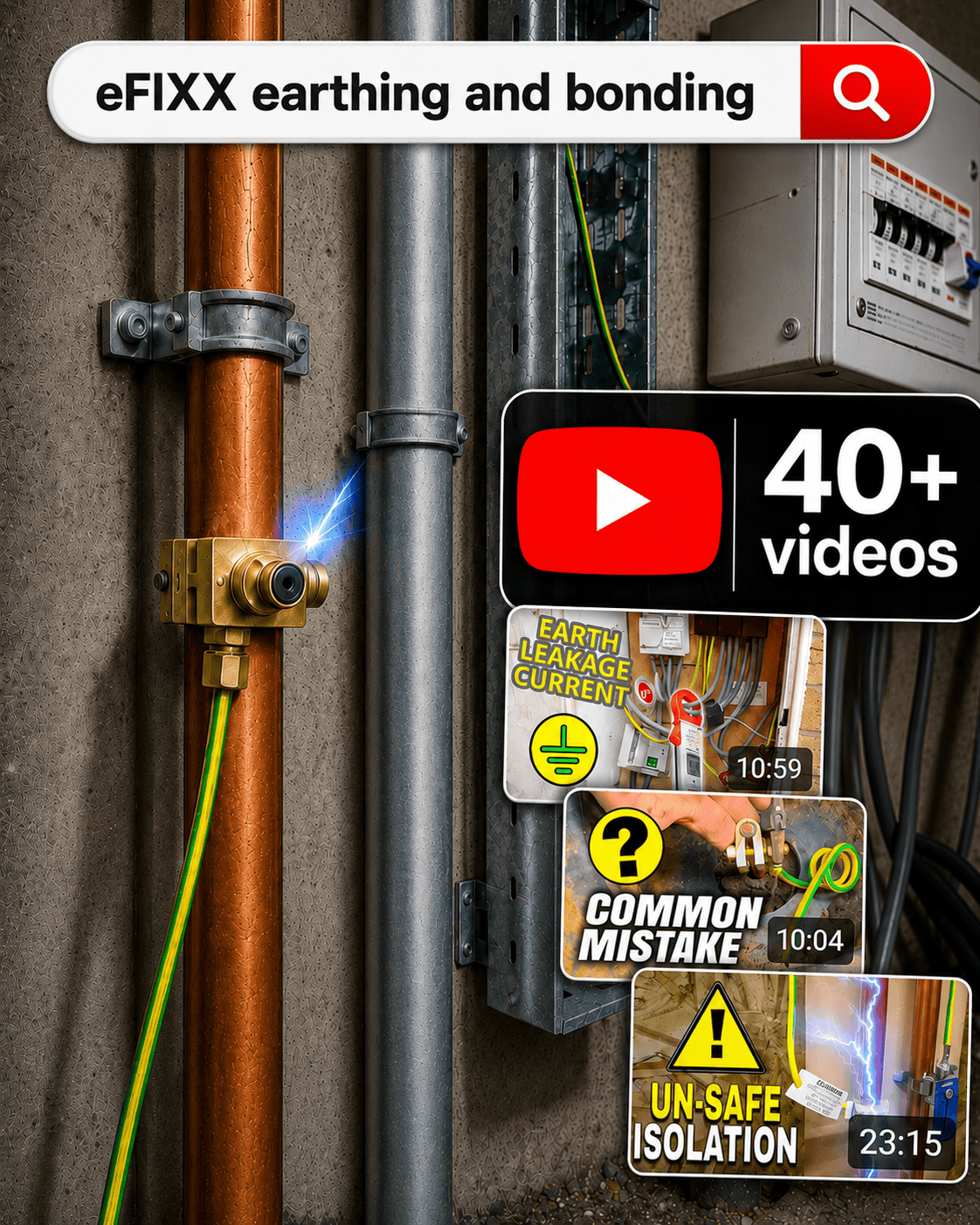
With over 40 videos, our Earthing and Bonding playlist features in-depth explanations, visual demonstrations and practical walkthroughs covering the key principles electricians need to know.